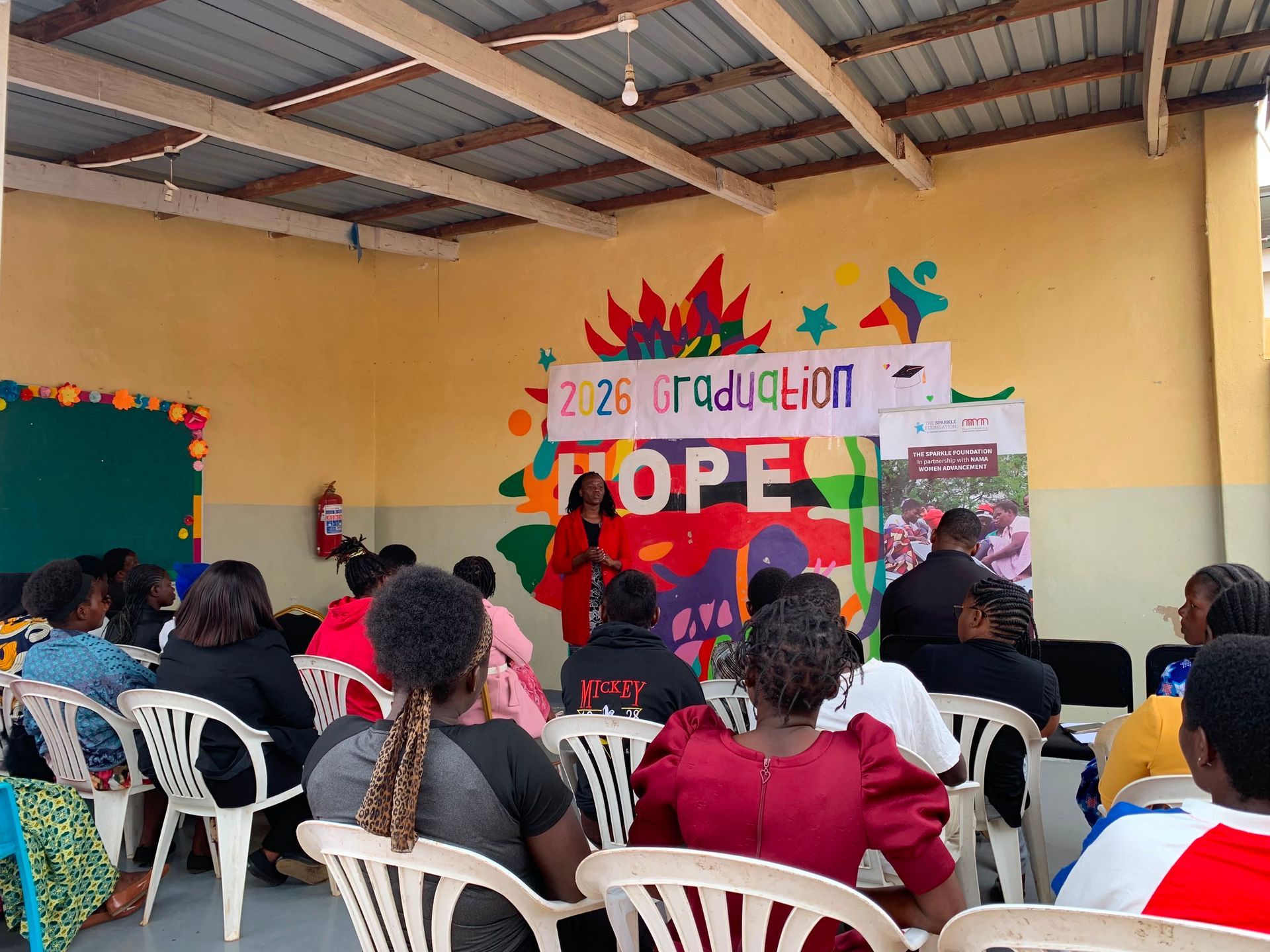



Regenerative Agriculture in Malawi: Women Lead the Way
Regenerative Agriculture in Malawi: How Women Farmers Are Leading the Way
In a maize field in Sakata village, Zomba district, twenty women are doing something quietly radical: growing food without buying a bag of chemical fertiliser. They are using manure, ash, fermented plant matter and a week of hard-won knowledge to rebuild soil that years of conventional farming had worn thin.
This is regenerative agriculture in practice, and it sits at the heart of The Sparkle Foundation's Spark to Success programme, delivered in partnership with NAMA Women Advancement.
Here is what the training involved, what the women have done with it since, and why it matters for household food security across Malawi.
What Is Regenerative Agriculture, and Why Malawi Needs It
Regenerative agriculture is farming that puts soil health first. Rather than depleting the land season after season, it works to rebuild it, using compost, crop diversity, natural pest control and locally available materials instead of relying solely on purchased chemical inputs.
For smallholder farmers in Malawi, this matters for a simple reason: the cost of agricultural inputs keeps climbing, while the soil many families farm has been under pressure for generations.
A practice that improves yields while cutting input costs is not a lifestyle choice. It is a survival strategy.
That is why regenerative agriculture became a core skill area within Spark to Success, the two-year vocational and entrepreneurship partnership between The Sparkle Foundation and NAMA Women Advancement, which is supporting 200 women and their families in Zomba district toward self-sustaining livelihoods.
Inside the Training: From Soil Science to Home-Made Fertiliser
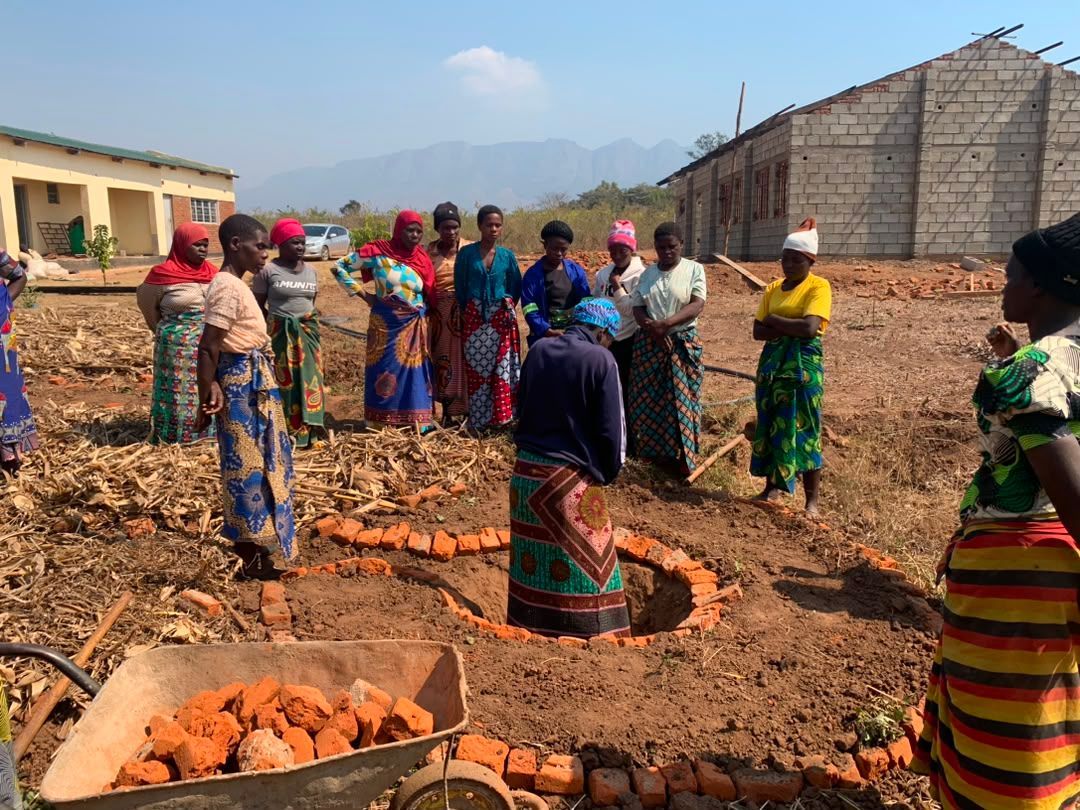
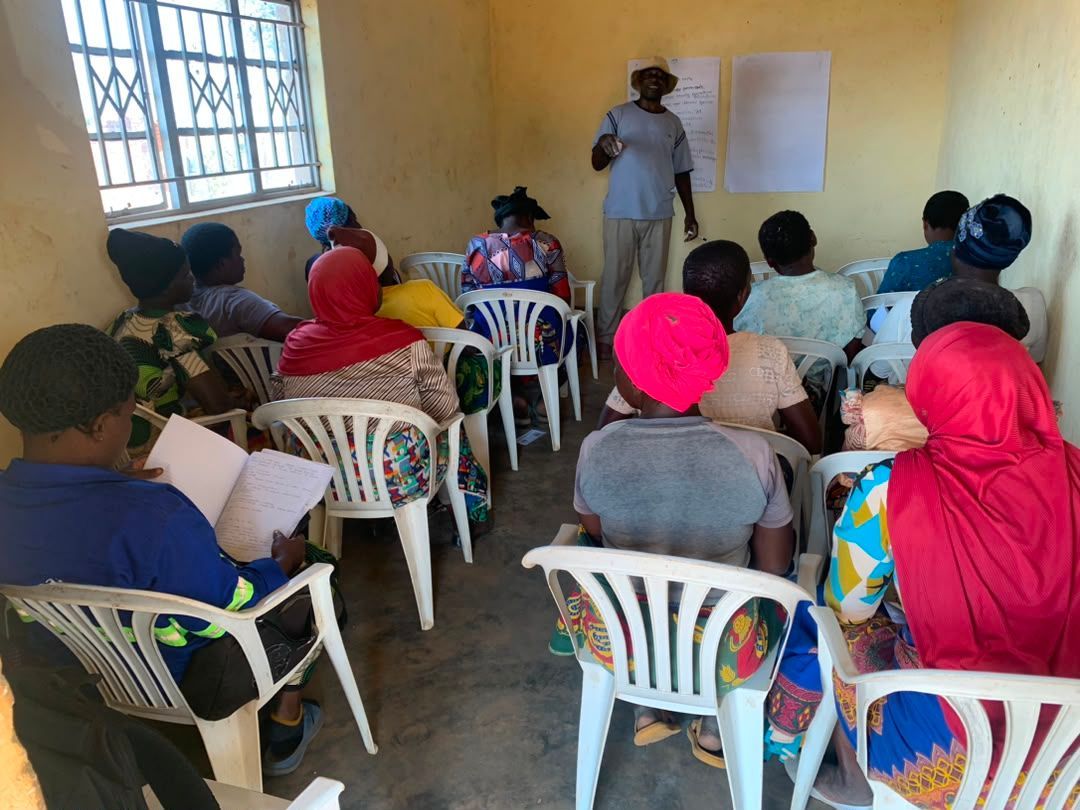
Early August 2026, twenty women from the NAMA Women cohort took part in a five-day, hands-on regenerative agriculture training at Sakata Farm, led by agricultural specialist Lusekelo Banda. The approach was deliberately practical: a short classroom introduction, followed immediately by field application.
Building soil fertility from what is already there
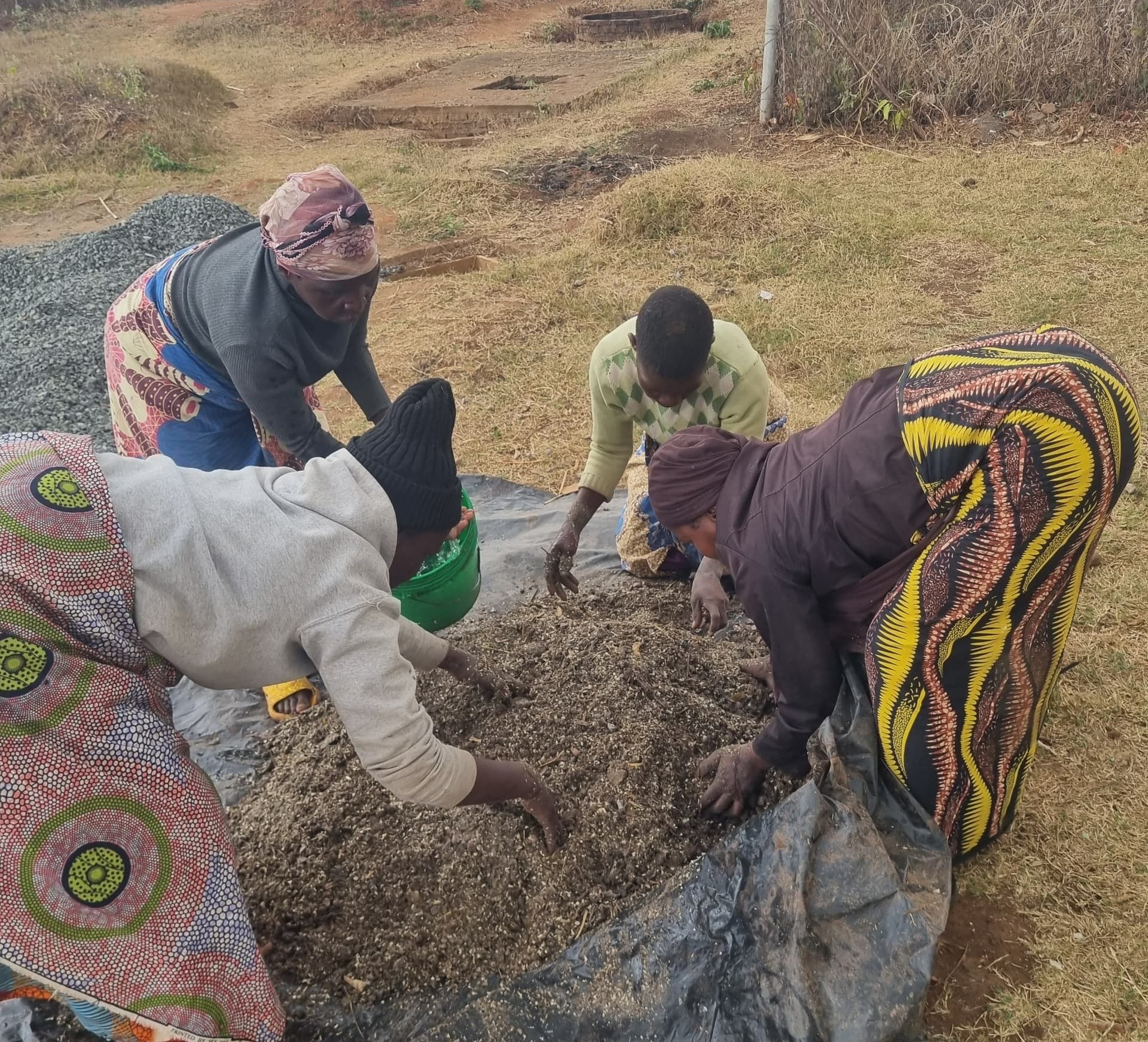
Participants learned to identify and use materials already available in their communities, including animal manure, ash, cow urine and cow pea flour, to prepare Mbeya fertiliser.
They were taught to use it alongside affordable FISP fertiliser rather than as a wholesale replacement, helping the soil retain moisture through dry spells while making purchased fertiliser go further.
They also prepared two biostimulants:
- Jeevamruth, which introduces beneficial microorganisms into the soil to improve nutrient availability and root development.
- Fish hydrolysate, made from processed fish waste, which supplies nutrients and amino acids that support healthy plant growth.
Natural pest control
Rather than depending only on chemical pesticides, the women learned to prepare three biopesticides from local plant material:
- Neemastra for aphids and mites,
- Brahmastra for caterpillars and pod borers,
- and Agniastra for stem borers and leaf rollers,
along with the correct dilution, timing and storage for each.
Bokashi fertiliser and regenerative bed design
Participants also produced Bokashi fertiliser, a fermented organic input, and learned to construct space-efficient growing beds, including Mandala beds and Snail beds, designs well suited to the small plots many households farm.
Crop diversity in practice
The training closed with participants planting a variety of food crops together in one demonstration area, a hands-on lesson in how diversified planting improves land use and household food supply, rather than relying on a single crop.
From the Classroom to the Field at Sakata Farm
What set this training apart was its insistence on learning by doing. Every technique, from fertiliser preparation to bed construction, was practised on-site at Sakata Farm before participants were asked to consider applying it at home.
Attendance held up well given the demands of a full working week: an average of 17.6 of the 20 target participants attended each day, an 88 percent attendance rate, with full attendance recorded on both Tuesday and Wednesday.
Where numbers dipped, on market day and on days when the full-day format proved difficult for some participants to sustain without food provided, the trainer adjusted pacing rather than the substance of the sessions.
Early Signs of Impact
Training is only the first step. What happens afterwards is the real test, and The Sparkle Foundation followed up twice in the two weeks after the course ended.
At the first follow-up meeting on 11 August, only four of the twenty women were able to attend, several were at the market that day, but those four worked with the team to map out next steps: irrigating the crops planted during training and beginning to prepare their own organic fertilisers at home.
By the second visit on 14 August, those same four women had already started gathering dry matter and other local materials for their own home gardens, and worked through the full Mbeya fertiliser preparation process from memory.
Once cured, they plan to share the fertiliser among themselves and apply it at home, a first real test of how well the training transfers from demonstration farm to family plot.
It is a modest start, not every participant has yet taken the next step, but it is a genuine one: four women independently applying a five-day training course without a facilitator standing over them.
A Partnership Rooted in Sustainable Change
This training did not happen in isolation. It is one strand of Spark to Success, a two-year programme run by The Sparkle Foundation in partnership with NAMA Women Advancement, the Sharjah-based (UAE) organisation whose mission centres on advancing women's economic participation.
Spark to Success is built around vocational skills, including tailoring, IT, weaving, solar panel installation and sustainable farming, paired with entrepreneurship support, seed funding and career counselling.
Over its two years, the programme aims to train 200 women in Zomba district, help launch at least 100 new enterprises, and reach roughly 1,200 people once families and dependents are counted.
Regenerative agriculture sits alongside the tailoring training already under way in Sakata and theThe Sparkle Foundation's wider Job Readiness Programme, each aimed at the same underlying goal: skills that women can put to work immediately, in a form of support that moves beyond aid toward self-sufficiency.
What Comes Next: Mentorship, Monitoring and Household Replication
The training report is clear that a single five-day course is a foundation, not an endpoint. The Sparkle Foundation's next steps, drawn directly from the trainer's recommendations, include:
- Regular follow-up visits to track how many households adopt the practices, and where they need more support.
- Continued mentorship on soil health, local input preparation and crop diversity.
- Help establishing household-level demonstration plots, so neighbours can see the results for themselves.
- Encouraging participants to document their own results, so successful methods can spread by word of mouth within the community.
- Further training on water conservation, mulching and composting as the programme develops.
- Linking regenerative farming outcomes directly to household nutrition, so improved production translates into more diverse diets.
The long-term goal is straightforward: soil that gets healthier every season, households that spend less on external inputs, and a group of women confident enough to teach these techniques to others.