


Spark to Success: How Tailoring Training Is Empowering Women in Malawi
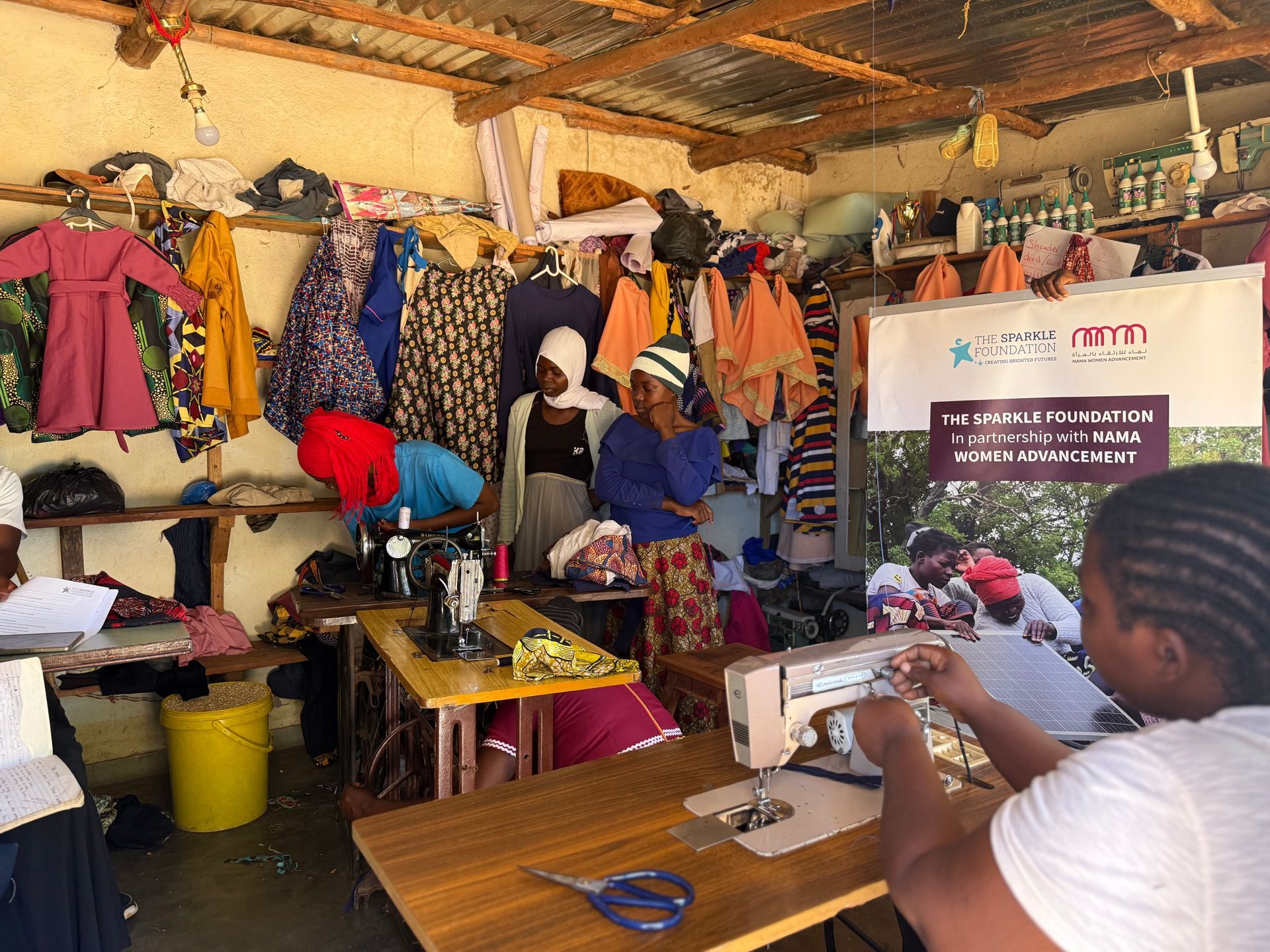
In the village of Sakata, in Zomba District, Malawi, sixteen women are bent over sewing machines, measuring, cutting, threading, and stitching. What they are creating is more than clothing. They are building futures.
This is The Sparkle Foundation's tailoring skills training programme, one of the first initiatives to launch under Spark to Success, a powerful two year partnership with NAMA Women Advancement, a UAE-based organisation dedicated to advancing women's economic participation and building resilient communities worldwide.
Understanding the Challenge
Malawi is one of the world's most under resourced countries, and the barriers facing women and young people are deeply entrenched. Fewer than half of children who complete primary school transition to secondary education, and of those who do, completion rates remain critically low — particularly for girls, who are significantly more likely to drop out before finishing
The consequences extend far beyond education. Without access to employable skills, financial literacy, or meaningful mentorship, many women remain locked out of economic life, not by choice, but by circumstance. Societal norms, geographic isolation, and limited capital compound these challenges, reinforcing cycles of poverty that span generations.
At The Sparkle Foundation, we believe the most powerful point of intervention is the family. Specifically, the women at its centre. When mothers and guardians have access to dignified, sustainable livelihoods, the entire household benefits, and children are given a genuinely different future.
Introducing Spark to Success
Launched in partnership with NAMA Women Advancement, Spark to Success is a two-year initiative targeting 200 underserved women, youth, and their families in Zomba, Malawi. The programme focuses on the mothers and guardians of children already enrolled in The Sparkle Foundation's Early Childhood Development (ECD) programme.
The initiative delivers a diverse range of vocational and business building skills, including tailoring, information technology, weaving, solar panel installation, sustainable farming, financial literacy, business mentorship, and career counselling.
By the end of the programme, 100 participants will launch their own small enterprises through seed funding, while a further 100 will be supported into meaningful employment. The projected ripple effect reaches approximately 1,200 people, as families gain access to better nutrition, financial stability, and improved educational pathways for their children.
Early Progress: The Tailoring Programme in Sakata
Though Spark to Success is still in its early stages, the impact is already tangible, and the tailoring programme in Sakata is a compelling example of what sustainable, skills-based development looks like in practice. Sixteen women have enrolled in the training, working through a comprehensive curriculum that covers the full arc of garment production. Participants have learned to sew skirts, half slips, and tote bags, and have developed foundational competencies in machine threading, bobbin winding, fabric cutting, measuring, and pattern interpretation.
Crucially, the programme goes beyond production skills. Participants have also been trained in the care and maintenance of their own sewing machines, including cleaning, oiling, troubleshooting common faults, and safe handling. This knowledge is essential for women who will go on to operate their own equipment independently, whether in a small enterprise or as part of a community workshop.
The results speak not only in technical terms. Participants are reporting growing confidence, a stronger sense of financial agency, and a clearer vision of what self employment could look like for them and their families.
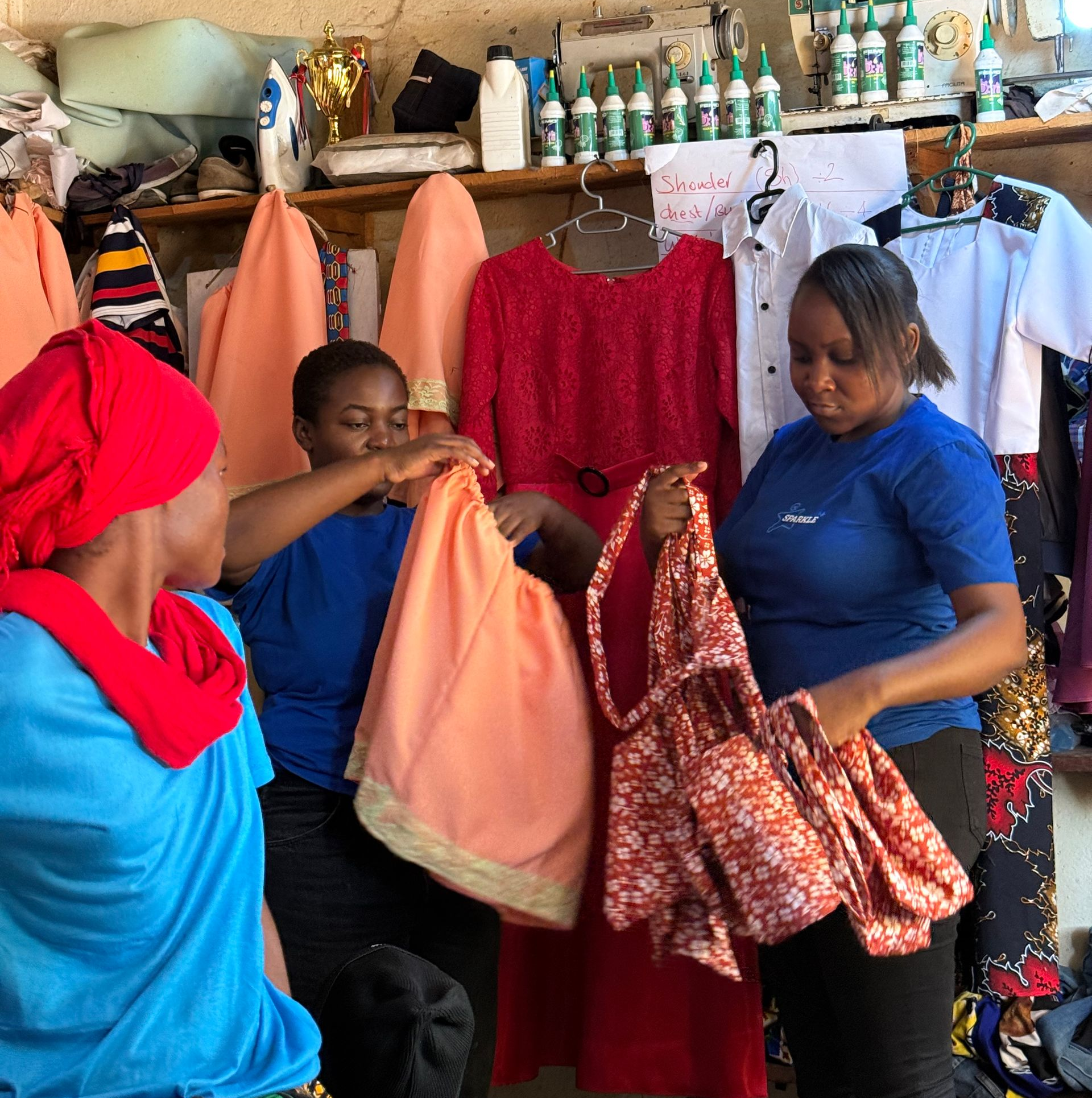
Checking In: Midline Assessments at Sakata Training Centre
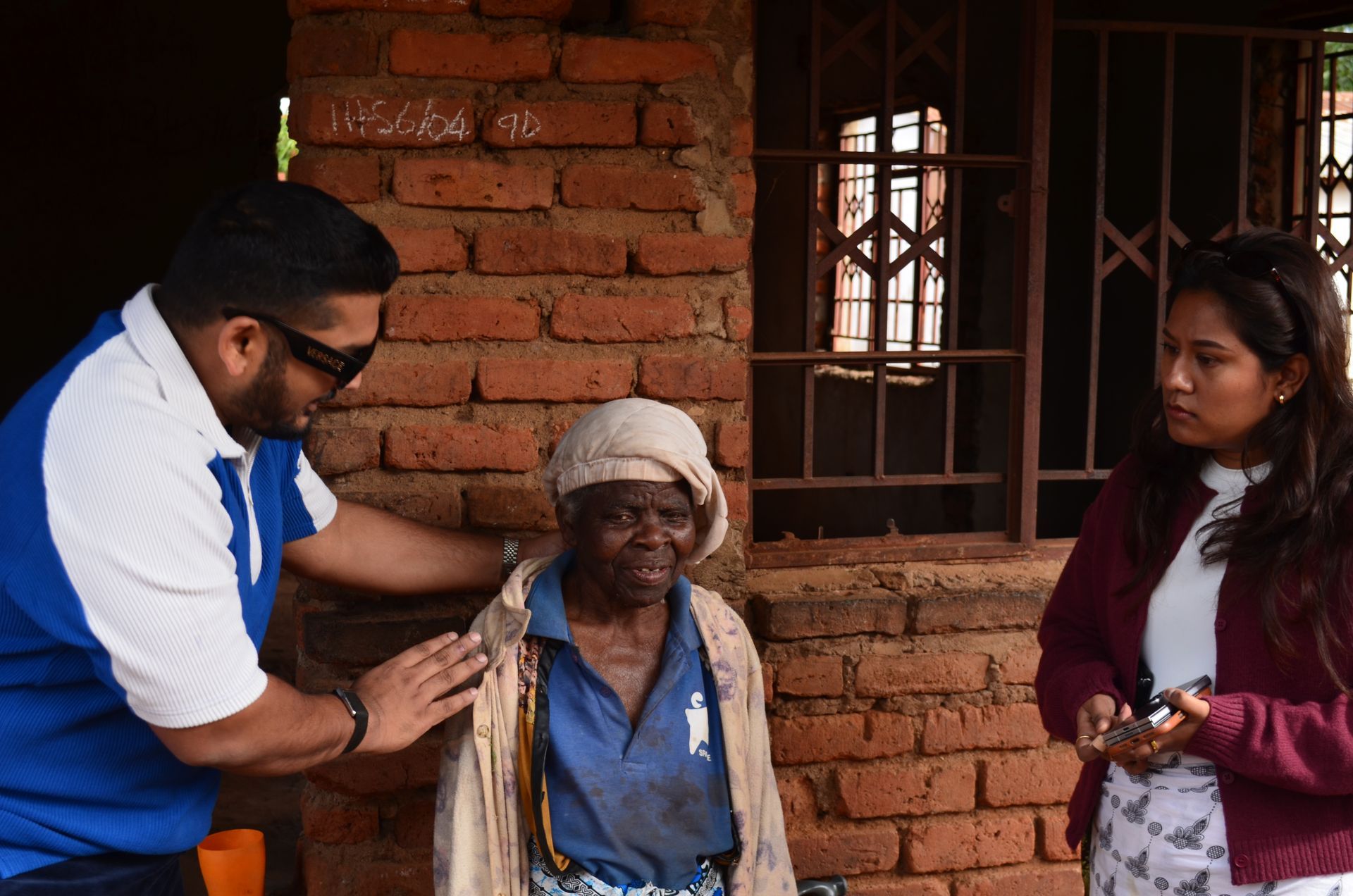
Responsible programme delivery does not end when the training begins. Earlier this month, The Sparkle Foundation team visited the Sakata Tailoring Training Centre to conduct midline examinations, assessing participants across both theory and practical components to evaluate their knowledge, skills, and overall progress.
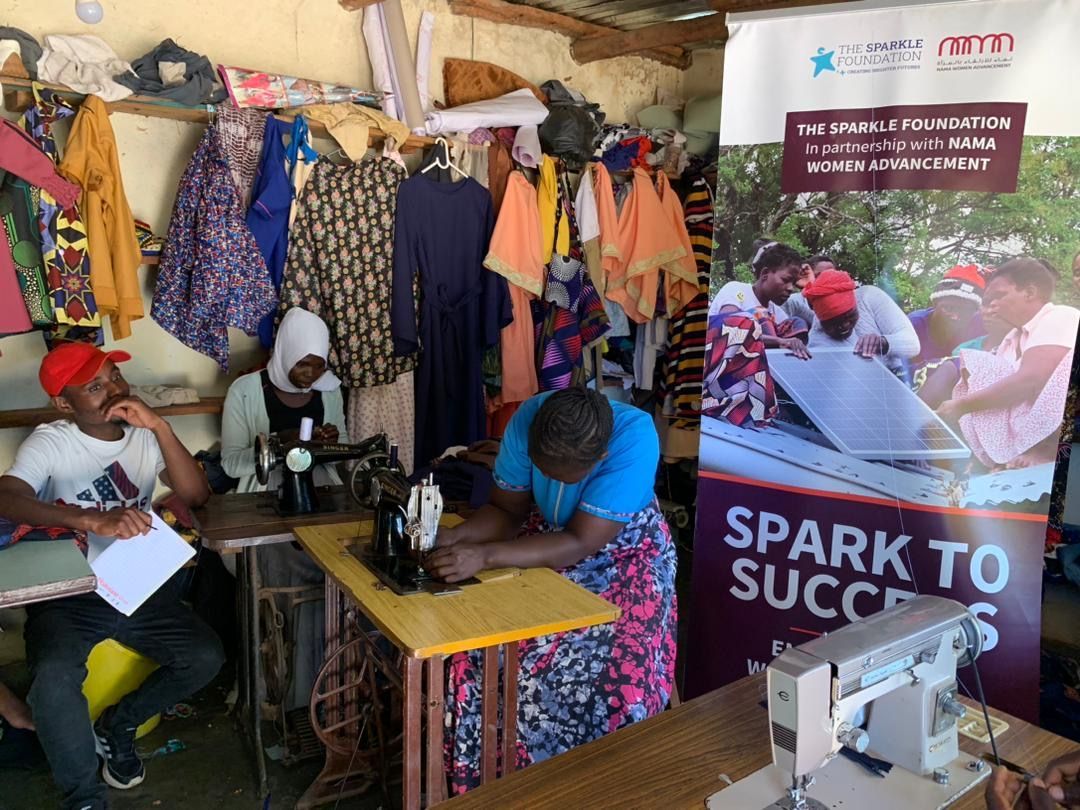
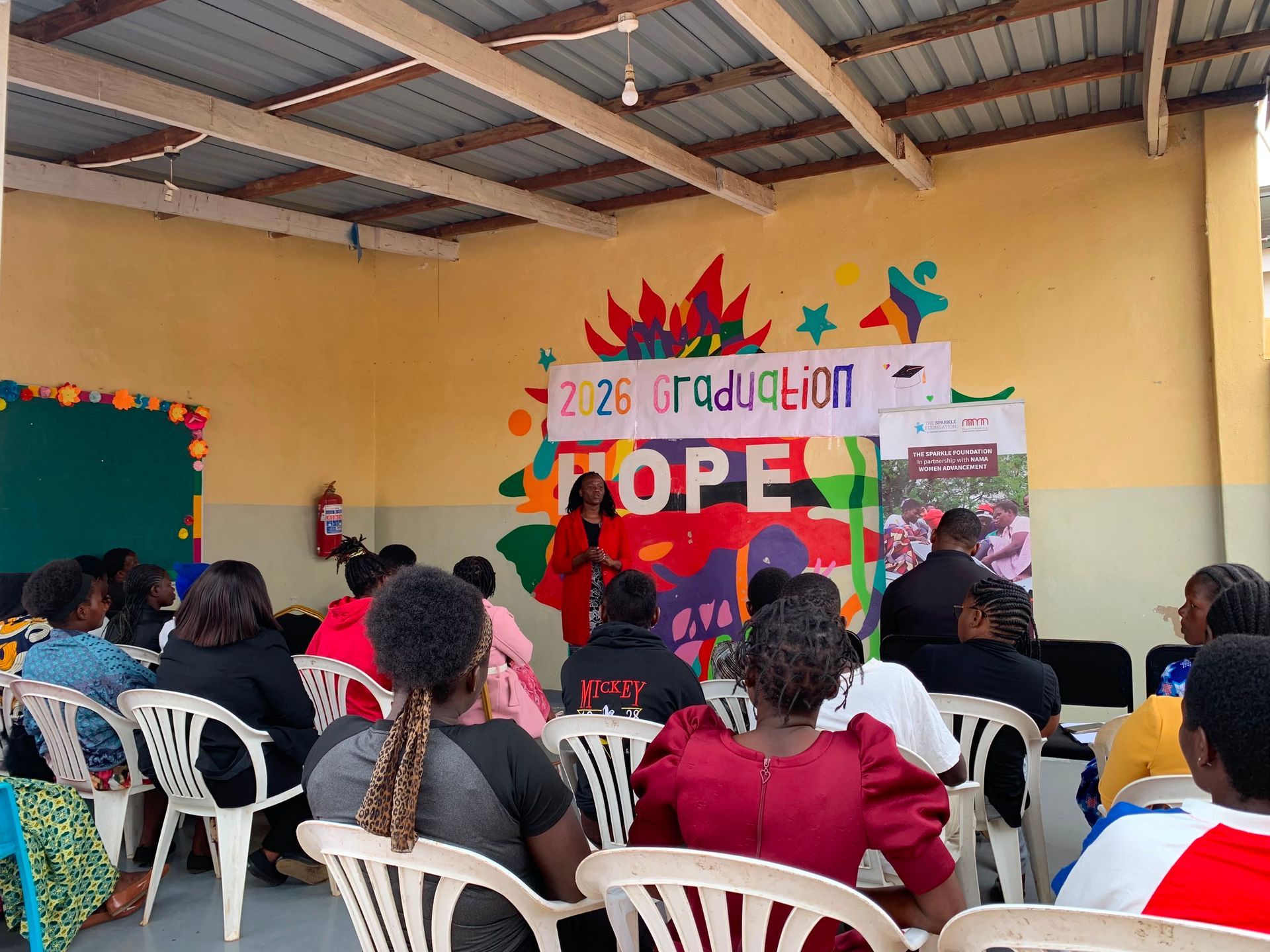
Alongside the assessments, the team held a dedicated meeting with both trainees and trainers to gather honest feedback on how the programme is progressing, the challenges being faced, and areas where improvements can be made. The engagement from participants was encouraging, and the conversations provided valuable insight that will directly inform how the programme continues to evolve.
This kind of structured, ongoing evaluation is central to how The Sparkle Foundation works. It reflects a commitment not just to delivering training, but to delivering training that genuinely works, refined continuously in response to the people it serves.
A Partnership Built on Shared Purpose
The Sparkle Foundation is deeply grateful to NAMA Women Advancement for their trust, generosity, and unwavering commitment to this work. This partnership is a shared conviction that sustainable change begins with women.
Alongside the tailoring programme, early Spark to Success activities have already seen 28 women complete solar panel installation training across two villages, and over 50 participants receive financial literacy and business development coaching.
The Ripple Effect of Empowerment
There is a truth that underpins everything we do at The Sparkle Foundation: when you empower a woman, you strengthen a family. When families are stable, children thrive. And when children thrive, communities transform.
Spark to Success is built on this truth. It is not short term aid. It is long term, lasting investment in human potential, delivered with dignity, rooted in community, and designed to endure.
To every donor, partner, and supporter who has made this possible: thank you. You are part of this story.
To support our work in Malawi across our four pillars (education, nutrition, healthcare and community empowerment) please visit out website and follows us on social media.