


What Britain's Aid Cut to Malawi Means for Charities on the Ground
UK government funding to Malawi is on track to drop by around 90 per cent within two years, from K117.9 billion down to K11.7 billion by 2028. The figures emerged in Parliament last week, where Finance Minister Joseph Mwanamvekha faced questions from MP Francis Belekanyama on how such a steep reduction would affect budget delivery. The Minister's position was that the national budget itself is not at risk, since the reduction had already been built into government planning.
Where he was less reassuring was on who absorbs the impact. Per the report, it is Malawi's NGOs, not the state, that are expected to feel this most, given how many rely on UK funding to run health, education and social protection work.
What this means for the charity sector, and for The Sparkle Foundation
News like this lands differently depending on where you sit. For a national government, a 90 per cent reduction can be absorbed into fiscal planning and offset, in part, by other donors. For the NGOs delivering services on the ground, in classrooms, clinics and community programmes, that kind of drop is far harder to plan around, because the money rarely disappears in one clean line item. It is felt in staffing decisions, in stalled projects, and in the day-to-day reality of families who depend on those services continuing.
At The Sparkle Foundation, we operate education, nutrition, healthcare and community empowerment programmes for women and children in Malawi, so shifts in the wider donor landscape are never abstract to us. The ripple effects of a cut this size extend well beyond any single funding line. When bilateral aid contracts, competition for the philanthropic and corporate funding that remains intensifies across the sector, and the organisations most exposed tend to be smaller, locally rooted charities working alongside communities rather than at a distance from them.
Why diversified funding matters so much for organisational resilience
Charities that depend heavily on any single government donor are structurally vulnerable to political and fiscal decisions made thousands of miles away, decisions that are entirely outside their control. This is precisely why The Sparkle Foundation has built its funding model around diversification from the outset, rather than treating it as a response to this particular cut.
Our support base spans corporate partnerships, grant funding, individual and private donors, government and institutional partnerships, fundraising events, our ambassador programme, and in-kind and pro-bono support from partners contributing skills and services rather than cash alone. No single stream carries the organisation, which means no single funding decision made elsewhere in the world can carry the same weight for us that it does for organisations more narrowly dependent on one source.
It also reinforces something we have long believed: sustainable development cannot rest on aid alone. Programmes designed to build local capacity, skills and entrepreneurship, like our Sakata Training Centre, are not just good development practice. They are a hedge against exactly this kind of donor volatility, because they help communities generate their own economic resilience rather than depending indefinitely on external support.
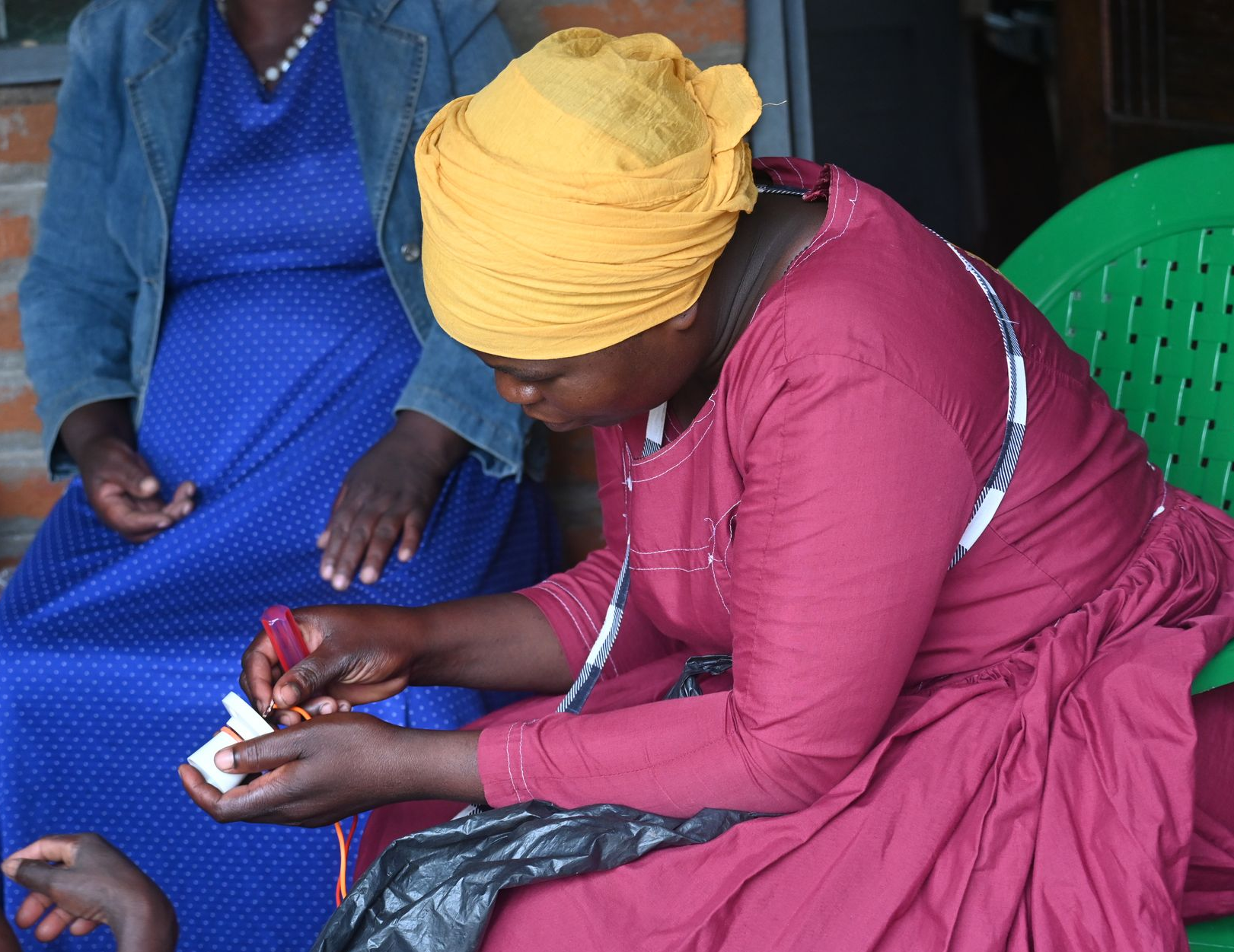
Featured image credit: Nyasa Times, "UK announces deep cuts to Malawi aid funding", published 17 July 2026. Nyasa Times article
None of this is a criticism of any government's right to set its own aid policy. It is simply a reminder that when major donors step back, the gap does not close itself. It falls to NGOs, to remaining donors, and to the communities themselves to find a way through. For funders and partners considering where to direct their support, moments like this are worth pausing on, because sustained, reliable partnerships with grassroots organisations become more valuable, not less, when the wider funding landscape shifts.