


The Sparkle Foundation named a finalist in the 2026 .ORG Impact Awards
The Sparkle Foundation has been named a finalist in the Community Building category of the 2026 .ORG Impact Awards, a global programme run by Public Interest Registry (PIR), the nonprofit steward of the .ORG domain. The awards celebrate mission driven organisations from across the world for the meaningful, measurable change they create in their communities, and we are proud to be recognised among this year's finalists.
For The Sparkle Foundation, this nomination reflects more than a decade of work in Zomba, Malawi, where we have built an integrated model of education, healthcare, nutrition and livelihoods support designed to break the cycle of poverty at its roots.
What the .ORG Impact Awards recognition means to us
The .ORG Impact Awards recognise mission driven organisations from across the global .ORG community for the meaningful change they create. This year's finalists were selected from a competitive field of applicants across categories including Health and Healing, Environmental Stewardship, Diversity, Equity and Inclusion, and Community Building, the category in which we have been recognised.
Being named a finalist is recognition of the work of everyone connected to The Sparkle Foundation: our 52 full-time staff in Malawi, our volunteers around the world, our corporate partners, our donors, and above all, the families and children of Zomba who trust us with their futures every day.
Category winners and the 2026 .ORG of the Year will be announced at an awards ceremony in Washington, D.C. on 6 October 2026. Whatever the outcome, being counted among this year's finalists is a moment we will carry with pride, and one that reflects a decade of building something that works, not just for one community, but as a model that can grow.
About The Sparkle Foundation
The Sparkle Foundation is a locally led NGO based in Sogoja Village, in the Zomba District of Malawi. Established in 2015, we deliver integrated education, healthcare, nutrition, livelihoods and community development programmes across a catchment area of approximately 30,000 people.
Our model is built on a simple but often overlooked idea: poverty is rarely a single problem, and it cannot be solved with a single solution. A child cannot learn if they are hungry, unwell, or unsupported at home. A family cannot become self-sufficient without access to healthcare, education, practical skills and real opportunities to improve their livelihoods.
That is why The Sparkle Foundation brings these essential services together under one coordinated, community-based system, rather than delivering them as isolated projects.
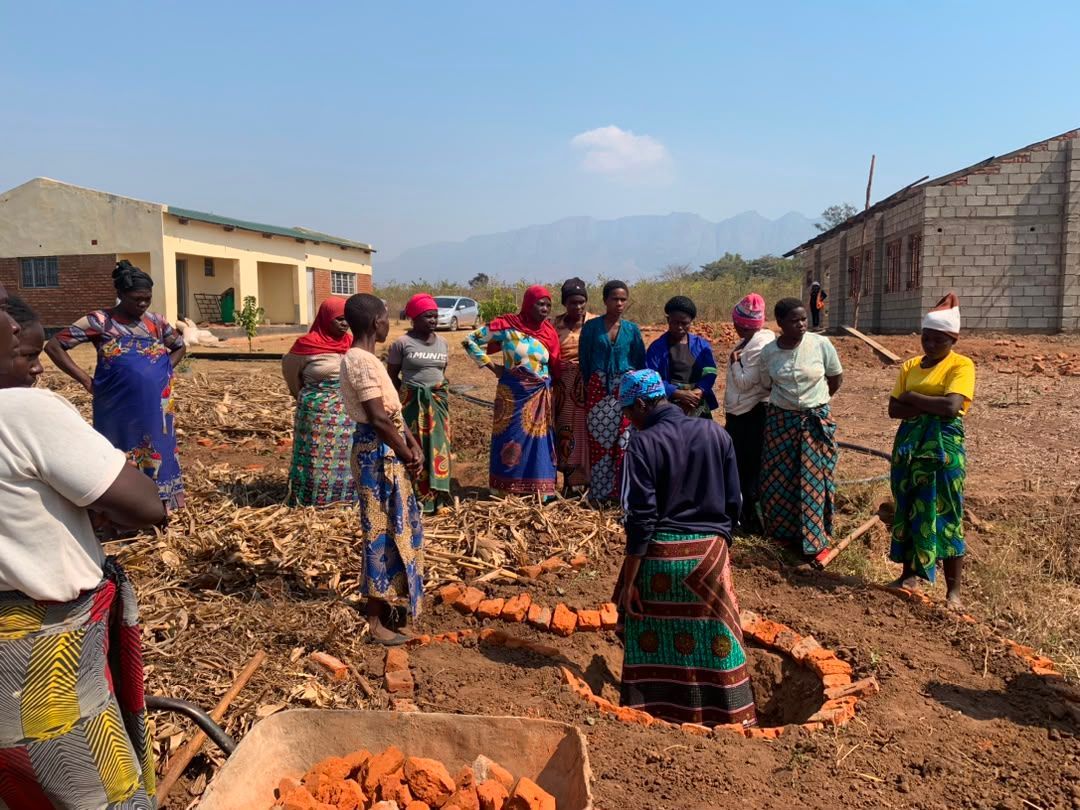
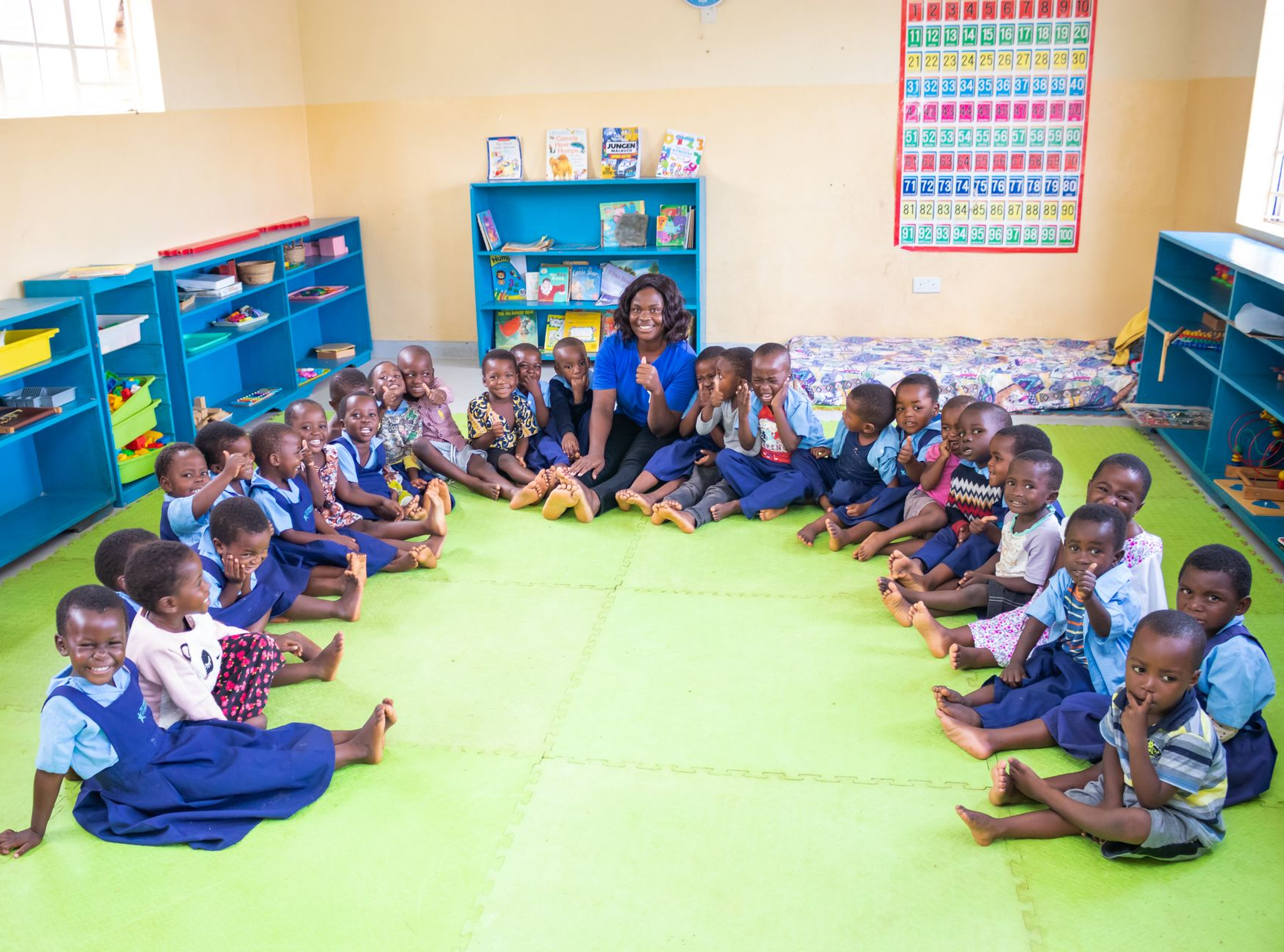
At the centre of our work is our Early Childhood Development Centre and After Primary School Programme, which give children safe learning spaces, structured education and daily meals. Alongside this, our healthcare services reach children and families through on-site care and community outreach clinics, helping prevent and treat illnesses that would otherwise keep children out of school or push families further into financial strain. We also provide skills training for women and youth, helping families build confidence, income generating capacity and long-term resilience.
Our work is delivered by 52 full-time Malawian staff, supported by a Dubai-based team focused on fundraising and governance, and around 80 volunteers around the world.
The challenge we set out to address
In Sogoja Village and the wider Zomba District, children and families face multiple, interconnected barriers that keep communities trapped in poverty. Limited access to quality early childhood education, healthcare, nutritious food, skills development and livelihood opportunities means that poverty is rarely experienced as one challenge. It is a cycle of mutually reinforcing disadvantages.
The first years of a child's life are particularly critical. Many children in our catchment area grow up in households affected by food insecurity, preventable illness, limited access to early learning and financial instability. Without the right support, children can arrive at primary school undernourished, developmentally behind, or unable to attend consistently because of illness or family pressures, affecting not only their education but their long-term health, confidence and future prospects.
Access to healthcare presents similar challenges. In remote communities, distance, cost and limited availability of services can prevent children and adults from receiving timely treatment. For families already living in poverty, a preventable illness can quickly become a crisis, affecting school attendance, household income and overall wellbeing. Our integrated model has helped reduce under-five deaths from preventable conditions in our community from approximately one per month to less than one per year, a result that speaks both to the severity of the original challenge and to the life-saving potential of coordinated, community-based support.
These challenges have been intensified by wider external shocks. Communities in Zomba have been affected by climate-related disasters, including cyclone and flooding impacts, which have damaged homes, disrupted livelihoods and increased vulnerability among families already living with limited safety nets. Rising fuel and commodity costs have placed further pressure on households, and on the organisations working to support them.
At the same time, we recognised a powerful opportunity. Communities are not passive recipients of aid. With the right combination of services, trust, local leadership and practical support, families can build the foundations for genuine self-sufficiency. Our challenge was not only to provide immediate relief, but to build a model that strengthens the whole community around each child.
Our approach: strengthening the whole community around the child
Rather than delivering separate projects in isolation, The Sparkle Foundation has built an integrated, locally led model where education, healthcare, nutrition, livelihoods and community development work together as one system.
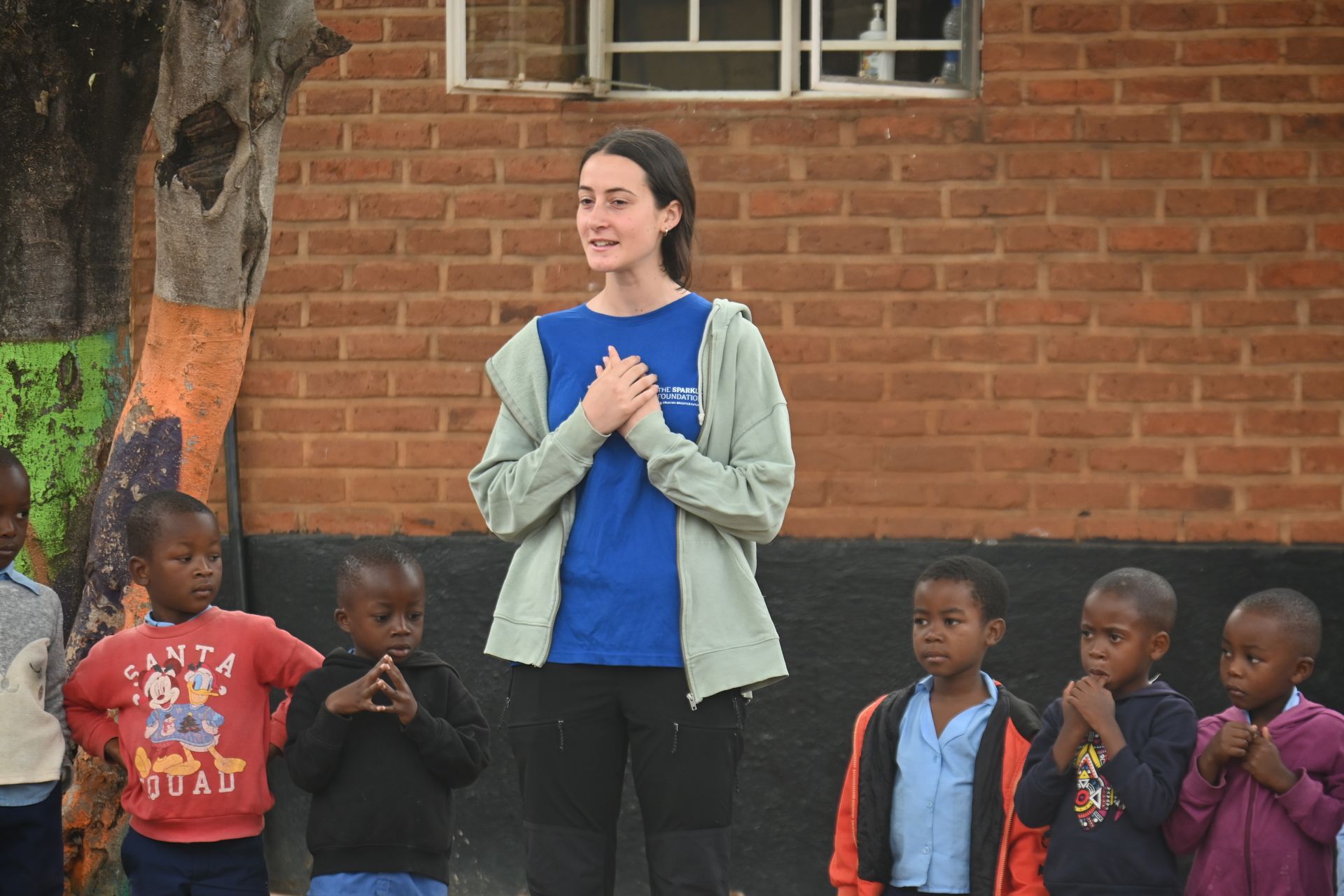
We begin with children, because early intervention has the greatest potential to change life outcomes. Our Early Childhood Development Centre and After Primary School Programme provide safe learning spaces, structured education, play and mentoring, helping children build the foundations they need to enter and remain in school, while giving families confidence that their children are safe, learning and cared for.
We surround this education work with practical services that remove the barriers preventing children from thriving. Our feeding programme ensures children receive nutritious meals, improving concentration, attendance and wellbeing. Our healthcare services provide treatment, health monitoring and community outreach, reducing the impact of preventable illness on children and families, and allowing us to identify risks early rather than respond to crises.
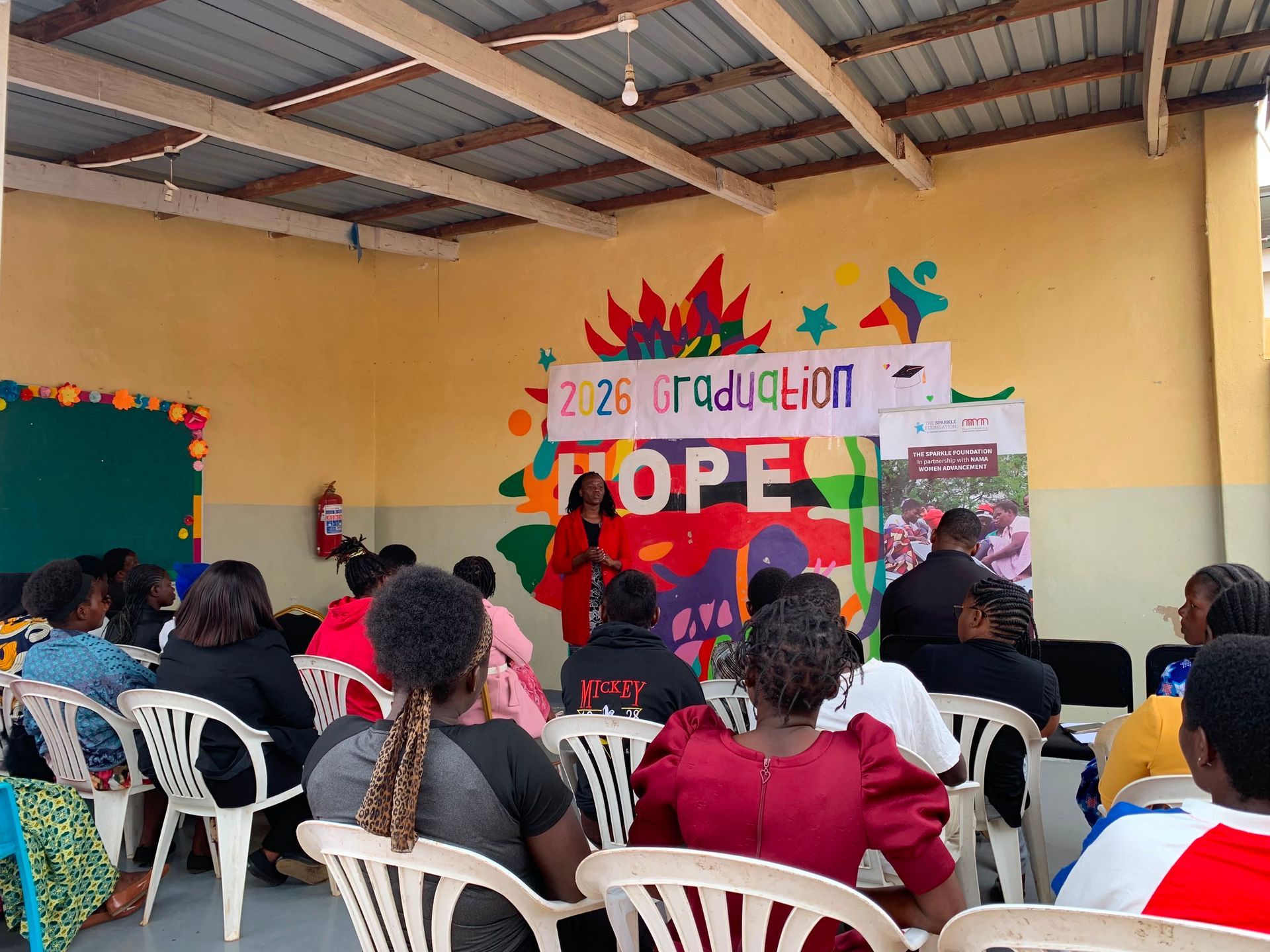
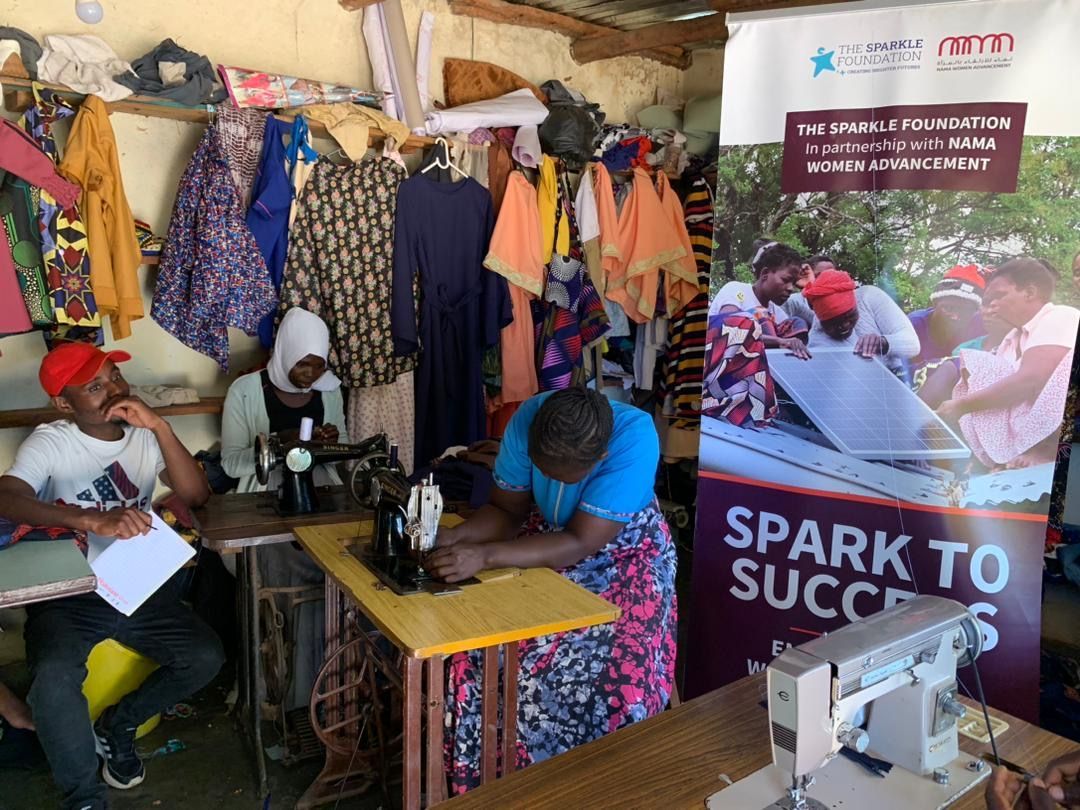
We also work beyond the child to support parents, caregivers, women and youth. Skills training and livelihood support help families build confidence, increase resilience and create pathways towards greater independence. Long-term change is not achieved by providing services alone, but by enabling families and communities to develop the skills, knowledge and stability they need to shape their own futures.
Community ownership sits at the heart of everything we do. Our programmes are delivered by Malawian staff who understand the local context and work closely with families, traditional leaders, schools, health providers and local authorities, ensuring our work is culturally relevant, trusted and responsive to real community needs.
Our impact by the numbers
In 2025 alone, The Sparkle Foundation:
- Delivered over 131,000 hours of early childhood education
- Administered more than 20,500 medical treatments, with outreach clinics serving over 200 patients per day
- Provided 63,000 meals to children in our Early Childhood Development Centre and After Primary School Programme
- Delivered over 6,900 hours of skills training to women and youth
- Contributed to a reduction in preventable under-five deaths in our catchment area, from approximately one per month to less than one per year
What began in 2015 as a single site in Sogoja Village has since grown into a replicable model, extended to Mulunguzi, Namitembo and Sakata, with Chinamwali next on the horizon. This growth shows that our community-led approach can adapt to different local contexts while keeping its core focus on education, health, nutrition, livelihoods and long-term resilience.
Follow our journey
We will be sharing updates as the ceremony approaches. If you would like to learn more about our work in Zomba, or follow along as this story develops, you can find us on Instagram, Facebook, LinkedIn and TikTok, or visit thesparklefoundation.org.
Thank you to everyone who has been part of this journey so far. This recognition belongs to all of you!