


Stuart: From Legacy to Lived Experience
For over ten years, The Payback Time Trust has supported The Sparkle Foundation, a relationship first led by Stuart Barcock’s late father, Peter, alongside his stepmother, Kathy, who were early believers in Sparkle’s vision.
While Stuart had long been aware of and connected to Sparkle through this relationship, his involvement deepened significantly after becoming a Trustee in early 2023. Since then, his connection to the charity has been more direct and engaged, shaped through ongoing conversations, updates, and a growing understanding of our work.
This year, that connection took on a different form. Stuart travelled to Malawi this past March to experience our work in person. Not as an observer from afar, but as someone stepping directly into the environments, communities, and programmes his family family had supported for so long. This is the story of Stuart's journey with purpose.
What I Thought I Knew
Having supported The Sparkle Foundation for more than a decade, the decision to visit Malawi felt both natural and necessary. From the perspective of The Payback Time Trust, it was important that one of us saw the work first-hand, to understand not only what is being delivered but how it comes together on the ground. Reports and conversations provide insight, but they inevitably leave gaps. Being there, physically present, offers a different level of clarity.
There was also a personal dimension to the trip. The trust itself was founded by my [late] father and stepmother, who had been early supporters of The Sparkle Foundation and a strong believers in [founder] Sarah’s vision. Continuing that connection is something I take seriously, and this visit felt like an extension of that responsibility, as well as a way of honouring what they had helped to start.
Trip Expectations
I expected the experience to be eye-opening, revealing, thought-provoking, and emotional. In reality, it was all of those things, often at the same time.
Having travelled extensively through work, I felt I had a reasonable sense of what to expect from the country and its infrastructure, even though this was my first time in this part of Africa. Broadly speaking, that expectation held true, but there were aspects that still caught me off guard, particularly the precise location of the Sparkle site and the conditions surrounding it, as well as how deeply integrated Sparkle is within the community.
There were also more practical considerations in the lead-up to the trip. Preparing for mosquitos and malaria was new territory for me, as were the necessary vaccinations. In hindsight, I might have prepared even more thoroughly, especially given the range of environments I would end up experiencing.
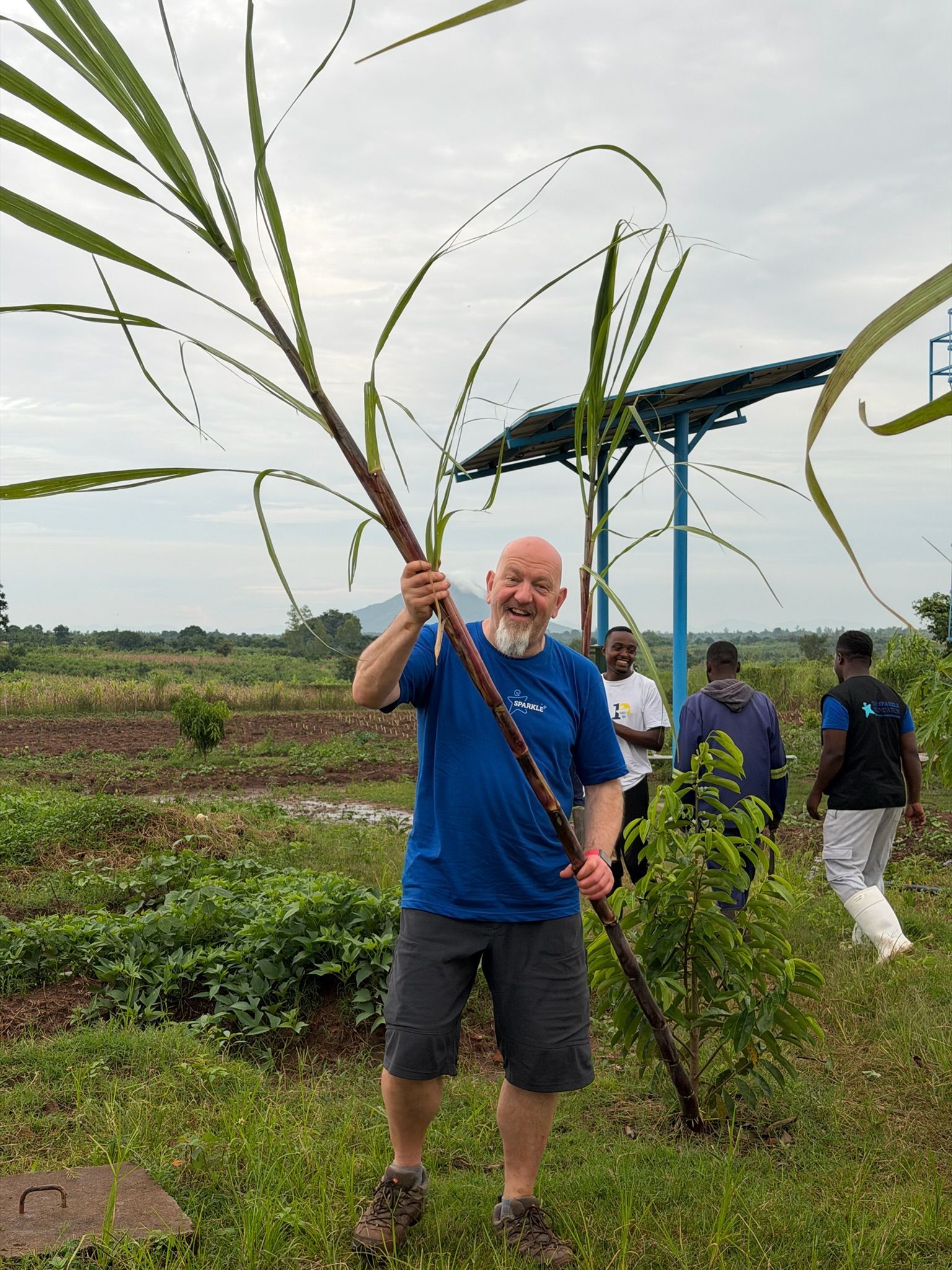
During the visit, I found myself at the farm site planting crops and trees, spending time in rural communities surrounded by livestock and wildfowl, entering a room that contained bats, and even hiking up Kuchawe! It quickly became clear that this was not going to be a passive or contained experience.
What I experienced in Malawi
From the outset, there was very little sense of transition. The first morning set the tone immediately, with a level of activity and engagement that made it clear this was not a place where you stand back and observe.
I found myself immersed in what was happening around me, and it became apparent quite quickly that being hands-on was part of the experience.
That initial immersion was, at first, slightly daunting. There is a moment when you realise you are expected to participate, to engage directly rather than watch from the side. However, that feeling passed relatively quickly. By the time I returned later in the week, I felt far more comfortable stepping into that role, and I was able to fully engage with what was happening around me.
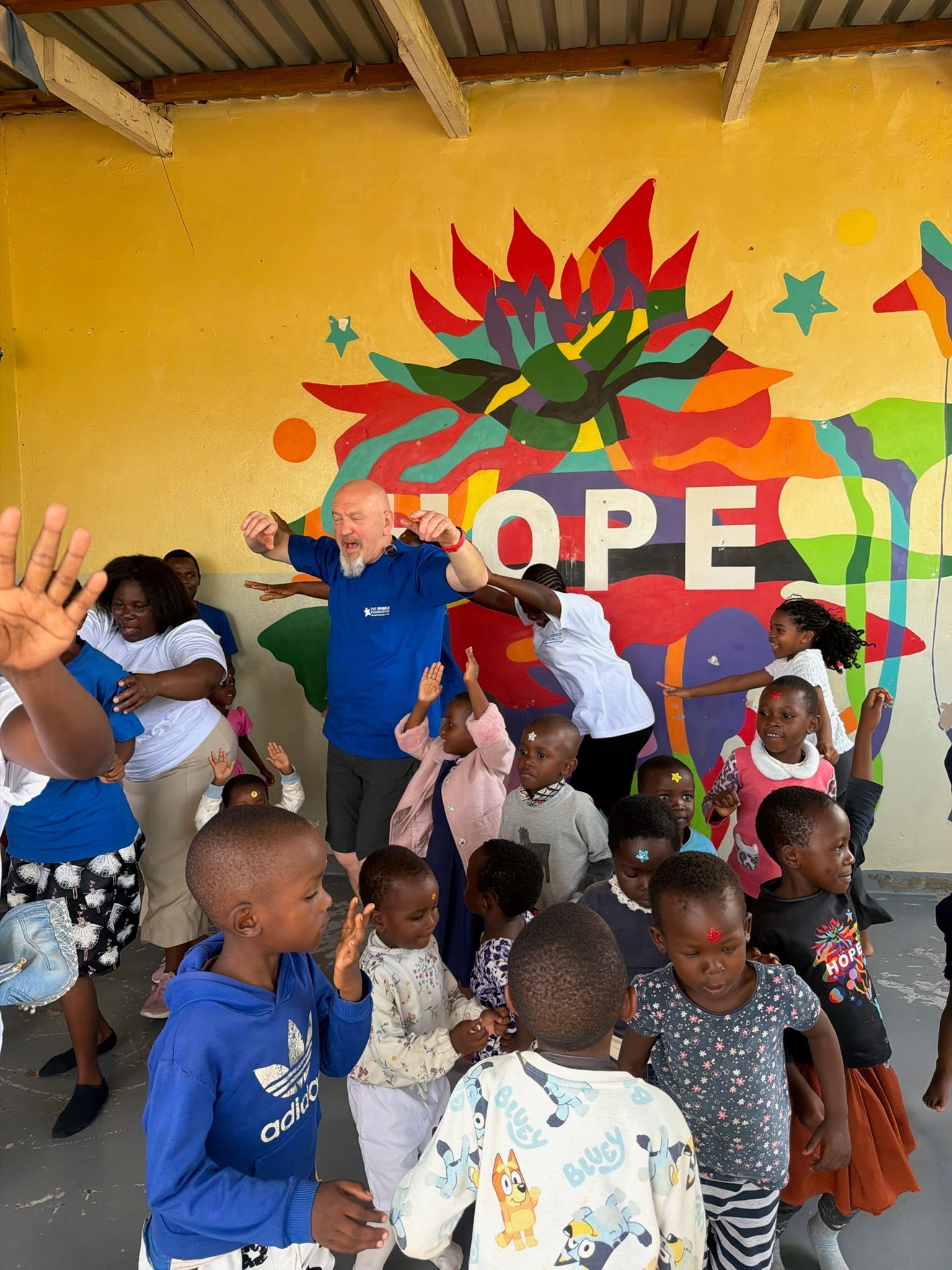
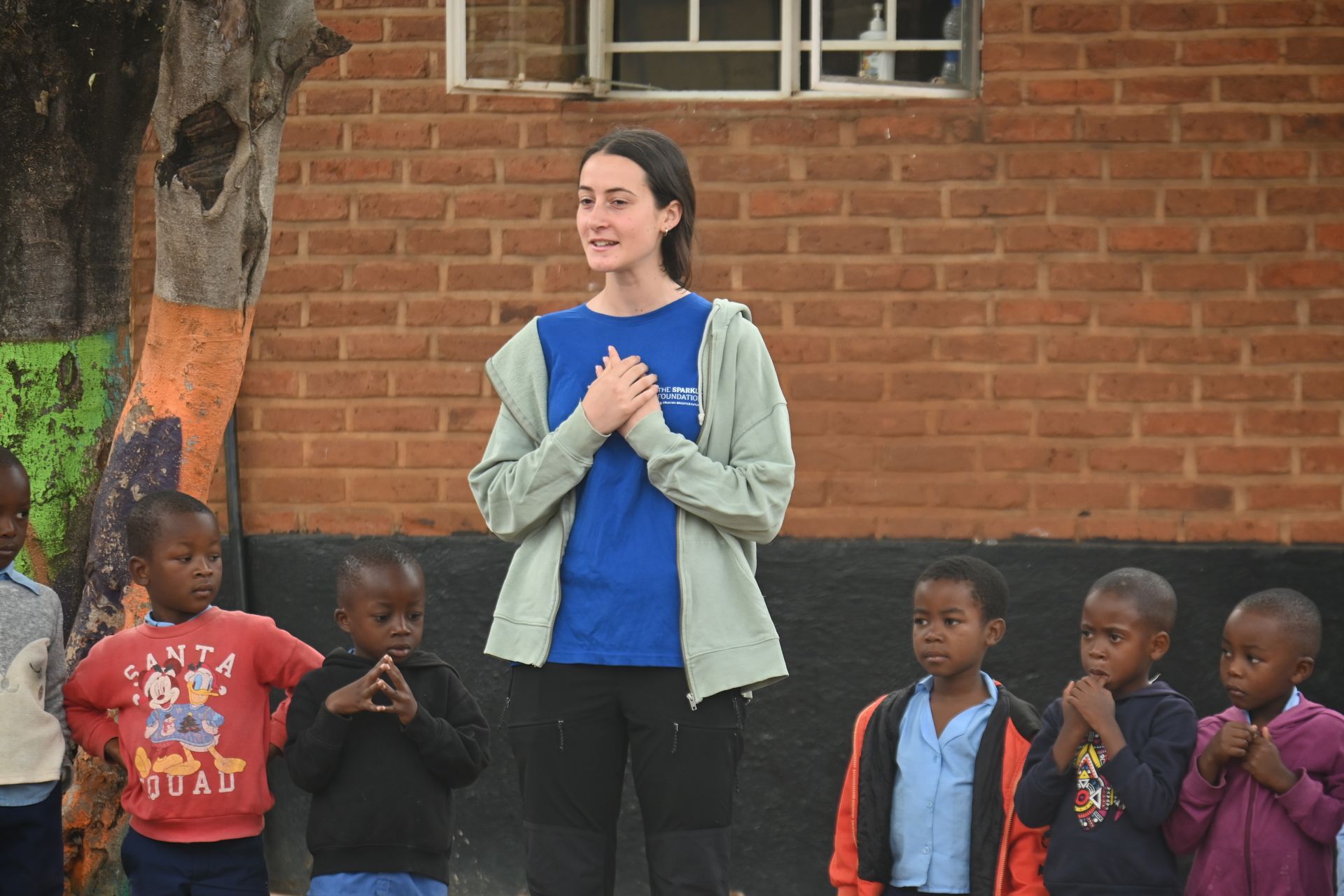
The time spent with the children and teaching staff stands out in particular. Even with a reduced number of children present on my final day, the experience remained deeply enjoyable. The farewell I received that morning was memorable, and it underscored the connection that can be formed in a relatively short period of time when you are fully present in that environment.
Moments That Stay With You
It is difficult to isolate a single moment from the trip, but my visit to Namitembo remains particularly vivid. There, I met Agnes, a teacher at the school and early childhood development centre.
She is a remarkable individual. From the moment we met, her character was immediately apparent: joyful, energetic, and entirely dedicated to her work. She took my hand and guided me through the classrooms, clearly proud of what had been built and what was about to open.
The new classroom blocks, generously funded with support from ATPI, which were nearing completion at the time, represented a significant step forward for the community, and her enthusiasm for them was unmistakable.
What stood out most was the sense of ownership and commitment she demonstrated. This is someone who has devoted a significant part of her life to supporting the children in that community, helping to shape their development and provide them with opportunities that might otherwise not exist.
The pride she showed in the school, and in what had been achieved there, was entirely genuine.
Later, I learned that her home had been damaged as a result of torrential rains during my visit. That contrast, between her warmth and positivity on one hand and the reality of the challenges she faces on the other, was striking. It serves as a reminder of how unpredictable and, at times, unfair circumstances can be.
And yet, there is little doubt that she will continue in exactly the same way, giving her full energy to the children she teaches.
Understanding the Scope of Work
My intention for the visit was to experience all aspects of The Sparkle Foundation’s work, and thanks to the team, I was able to do so. What became clear quite quickly is that the organisation’s reach extends far beyond what might initially be visible.
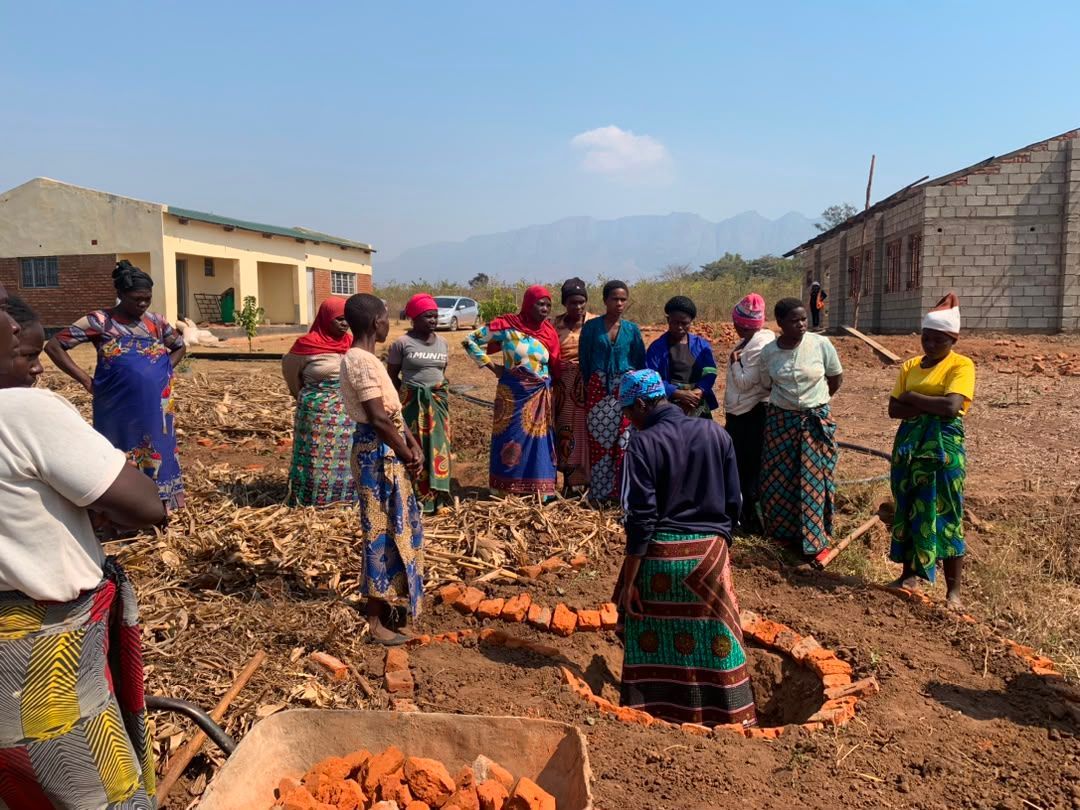
The community work, in particular, surpassed my expectations. Through two community walks near the Sogoja site, I was able to see how the team interacts with and supports the wider population. We met women who had started small businesses through the women’s group, and there was a clear sense of recognition and appreciation for Sparkle within the community.
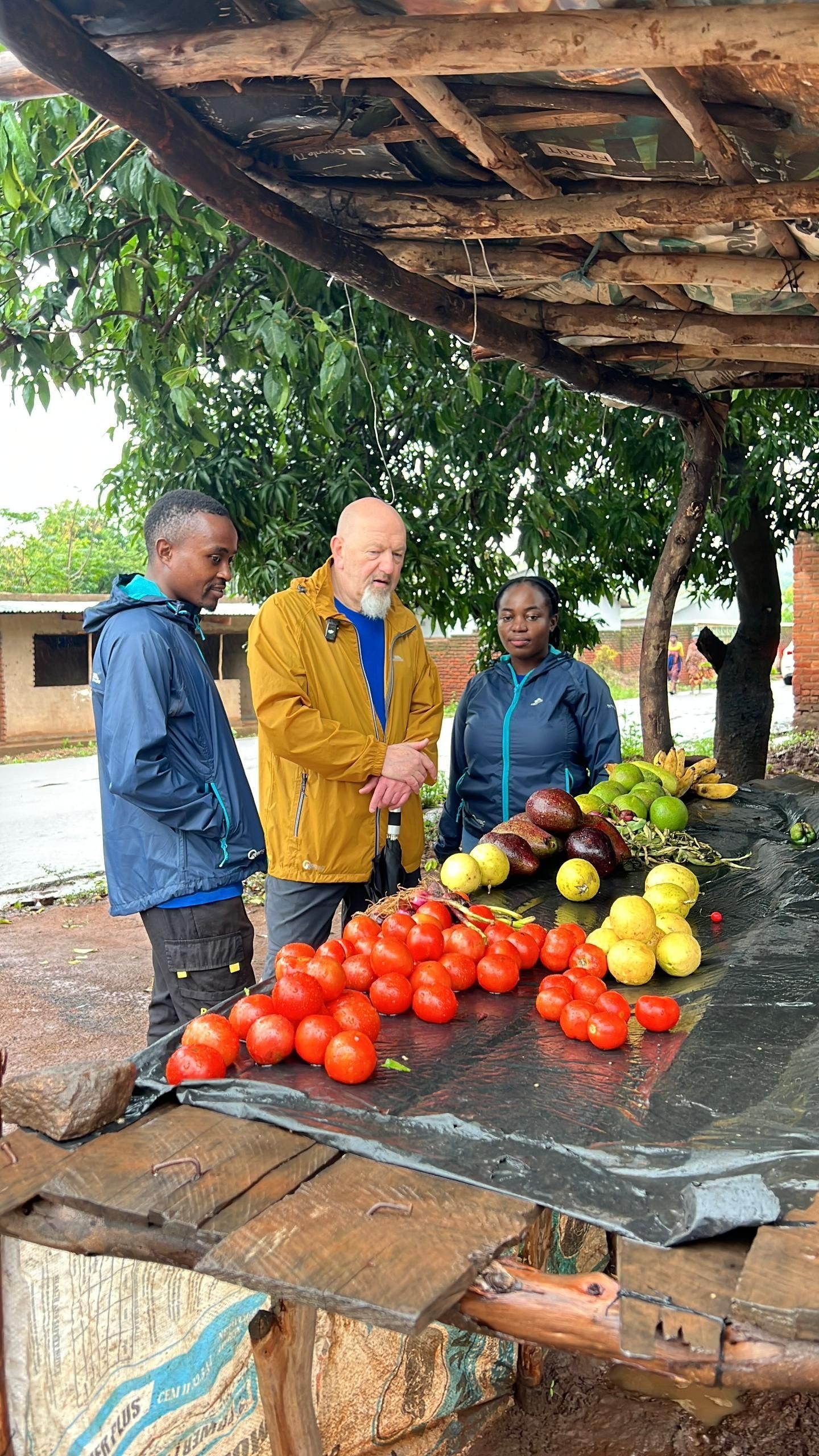
The second walk took place in the aftermath of heavy rains, which had caused significant disruption. This provided a very different perspective.
We saw the impact on homes and infrastructure, and I joined the team as they met with village elders to understand the extent of the damage and consider how support could be provided. Observing this process, and later sitting in on a team meeting where potential responses were discussed, highlighted the level of thought and care that goes into these decisions.
Healthcare in Practice
Spending time with the clinical team was particularly important to me, given that our donations support the Hope Clinic. Meeting the team, including Jennings (Director of Programmes) and Sibo (Clinician), provided valuable insight into how the clinic operates, the challenges it faces, and the ambitions it holds for the future.
Seeing the clinic itself and understanding both its current programmes and its potential for growth helped contextualise the support we provide. It is one thing to fund a facility, but another to see how that facility functions day to day and the role it plays within the community.
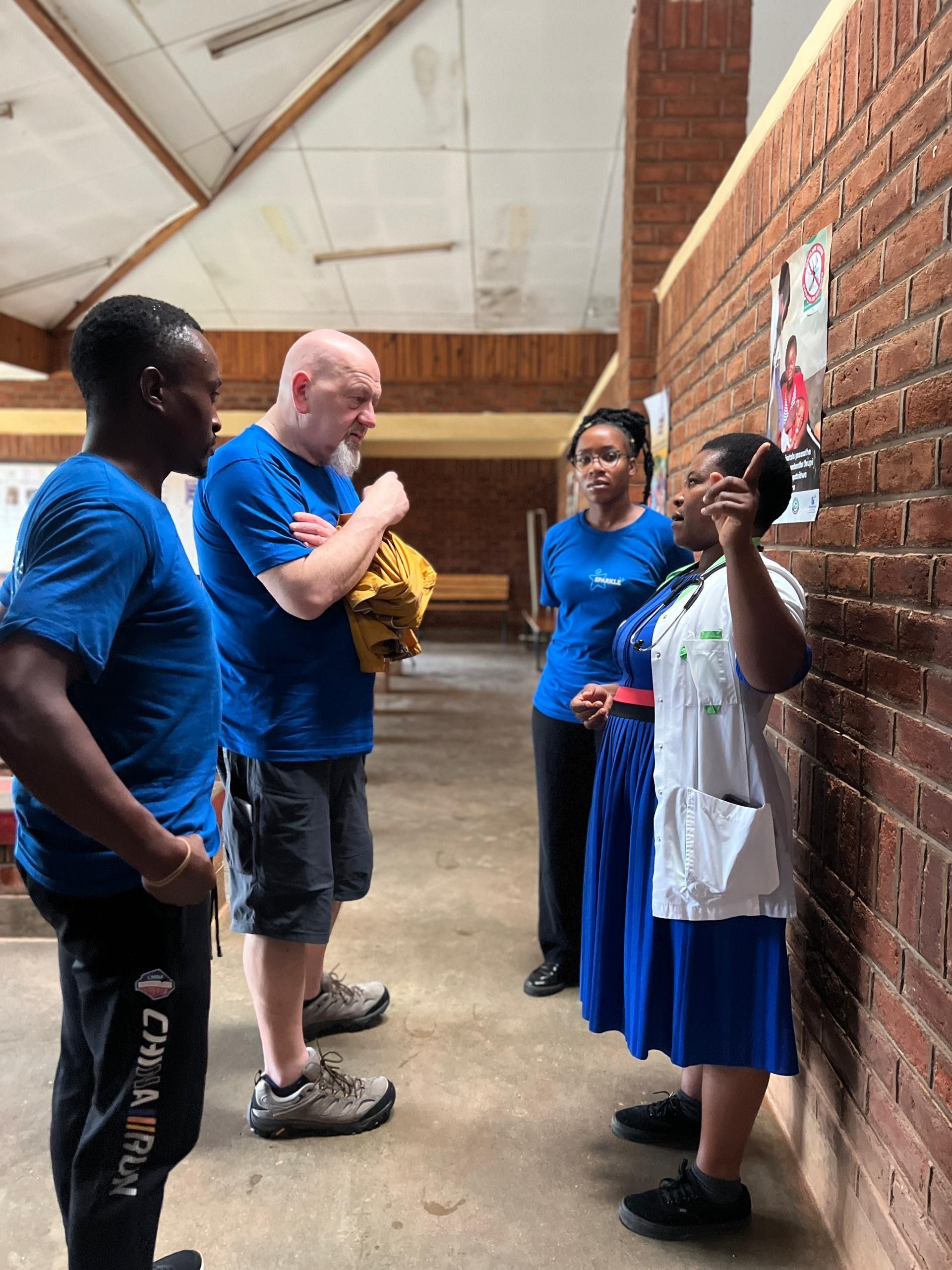
The outreach clinic at Namitembo offered an even clearer example of this impact. On the day I attended, 137 people were treated, which speaks volumes about both the demand for and the effectiveness of the service. There was also the opportunity to visit Matawale Health Centre and observe how The Sparkle Foundation’s clinical team works alongside government services. That visit was sobering, providing a stark comparison and reinforcing the importance of what The Sparkle Foundation is able to deliver.
The Journey Between Places
Travel itself became a significant part of the experience. The roads surrounding Sparkle’s site are extremely challenging, and this was something I had not fully appreciated beforehand. They are less roads in the conventional sense and more rough tracks, which become even more difficult to navigate after heavy rain.
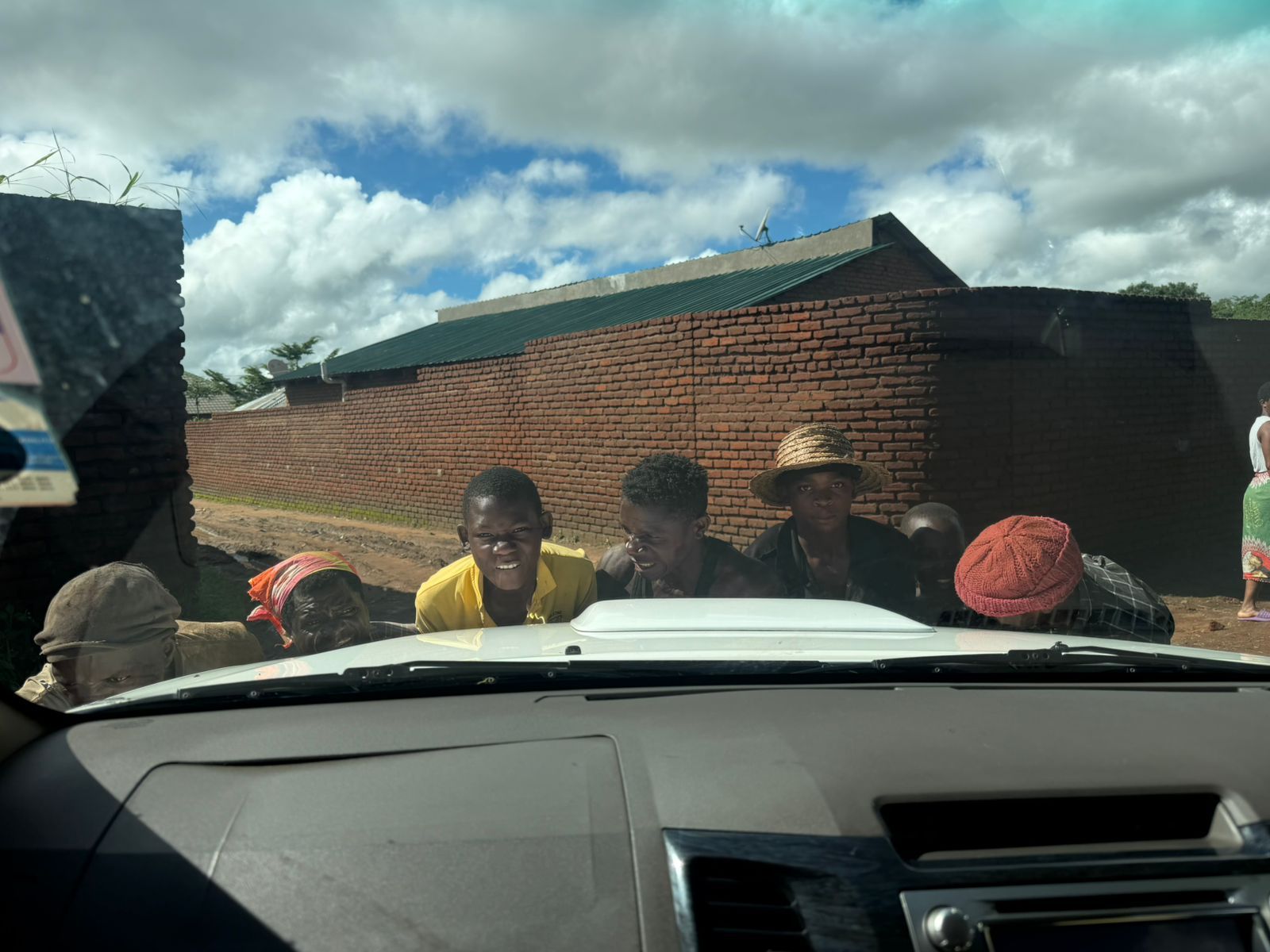
We found ourselves stuck in mud on multiple occasions, in some cases more than once in a single day. These moments, while challenging, also revealed something important about the community. Each time, people appeared to help, working together to free the vehicles and allow us to continue. The effort involved was considerable, and it was often accompanied by a sense of shared purpose.
There were also lighter moments within these journeys. Travelling back from the farm site in the dark, singing along together while navigating uneven terrain, created a sense of camaraderie that is difficult to replicate in more structured environments.
Planting sugar cane at the farm, working collectively despite the conditions, was another example of how even simple activities can become memorable in the right context.
The Impact of The Sparkle Foundation
One of the most valuable aspects of the visit was the ability to see tangible progress. Developments that might previously have been understood in abstract terms became concrete.
At Mulunguzi School, new classroom blocks had been delivered, helping to alleviate overcrowding and reduce the need for children to be taught outdoors.
At Namitembo, additional classrooms were nearing completion, offering similar benefits to that community. The outreach clinic demonstrated how healthcare could be extended beyond a central location to reach those who might otherwise go without.
These are not incremental changes; they are meaningful improvements that directly affect people’s daily lives.
A Broader Perspective
The visit did not fundamentally alter my view of the world, but it did reinforce certain realities. The disparity between those who have and those who do not remains significant, particularly at a grassroots level.
At the same time, there is a noticeable resilience within communities that face these challenges, as well as a level of contentment that can exist alongside limited resources.
It is a complex dynamic. Recognising that resilience does not diminish the need for support, but it does provide context for understanding how communities function and adapt.
What Matters Most
If I were to identify the most important aspect of The Sparkle Foundation’s work, it would be its
role within the community. It is not simply delivering isolated programmes; it is acting as a consistent and trusted presence.
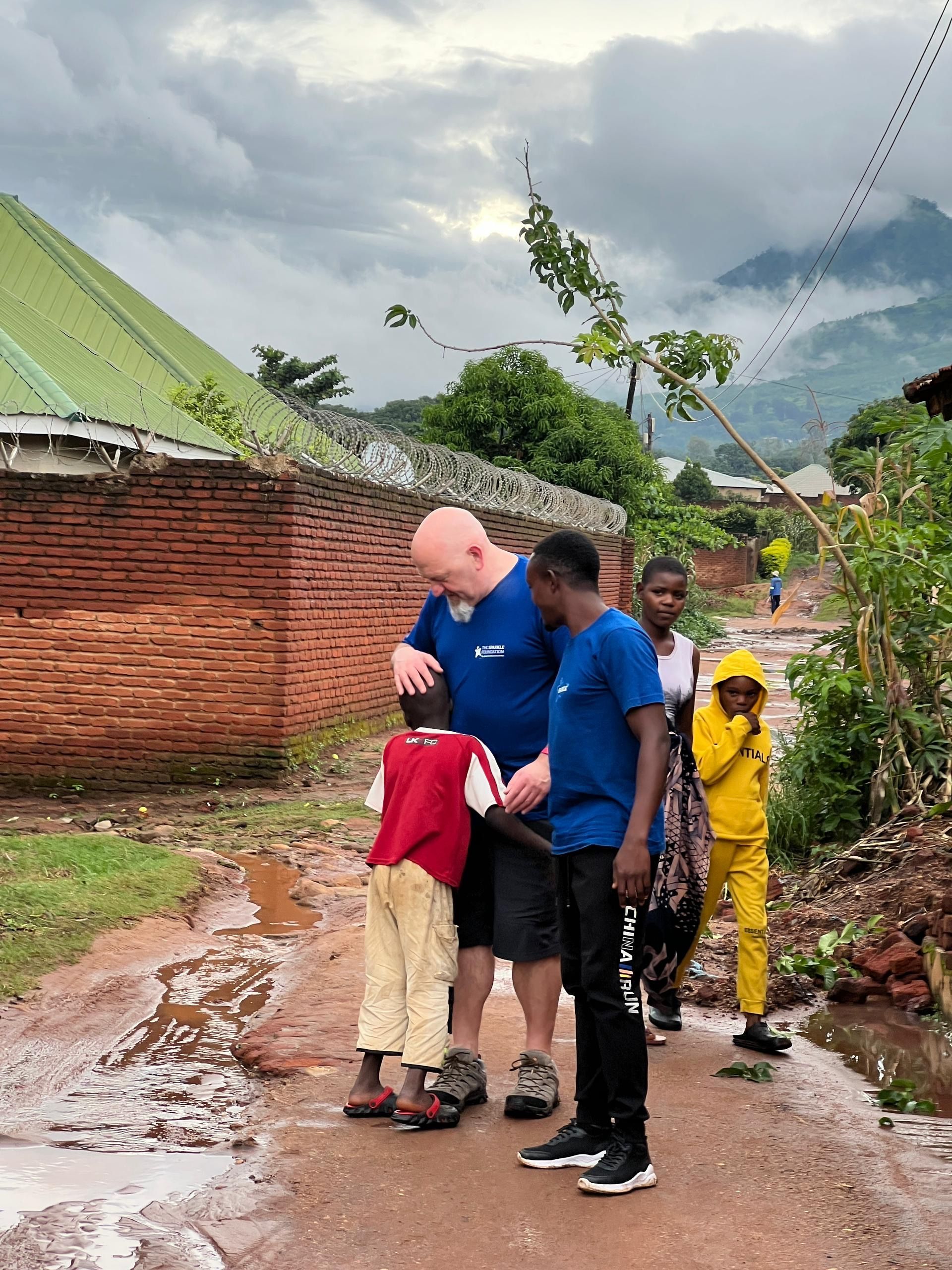
Through education, healthcare, nutrition and community initiatives, The Sparkle Foundation provides support that is both practical and forward-looking. It offers resources, guidance, and opportunities, while also maintaining a clear intention to grow and reach more people over time.
That combination is what makes the work significant.
Looking Back
For anyone considering volunteering with Sparkle, my advice would be straightforward: commit to it and go.
Even a short period of time spent engaging with the children and staff at the early childhood development centre would be worthwhile in itself. Beyond that, there is a much wider experience to be had, involving:
- interaction with communities,
- exposure to different ways of living,
- and the opportunity to contribute in a meaningful way.
It is an experience that leaves a lasting impression.
Continuing the Connection
s for my own involvement, I would certainly be open to returning in the future, particularly in connection with projects supported by The Payback Time Trust. More immediately, I will remain engaged through the Trust’s ongoing support, which I expect will continue to develop over time.
My visit to Sparkle was everything I wanted and hoped it would be, while also offering a far deeper understanding of the work and its impact than I could have gained from a distance.
Embark On Your Own Journey With Purpose
If you feel inspired by Stuart’s experience, there are many ways to get involved with The Sparkle Foundation—from embarking on your own Journey with Purpose to supporting our programmes from wherever you are.
If you’re ready to take that step, we’d love to hear from you.