


Healing Hands: The Power of Accesilble Healthcare
It’s early morning in rural Malawi. The road is slick with mud after heavy rain through the night. An eight-months-pregnant woman walks barefoot along it, cradling her swollen belly, her one-year-old tied securely to her back in a chitenje. Her waters have broken. She is not walking towards a hospital. She is walking towards hope — searching for anyone who can help her bring her baby safely into the world.
For too many women across Sub-Saharan Africa, this is not an exceptional story. It's reality.
Pregnancy, childbirth, fever, infection, or a sick child can quickly become life-threatening when healthcare is far away, roads are washed out, transport is unaffordable, and the nearest clinic is beyond reach.
The Sparkle Outreach Clinic
This is why, in March 2026, The Sparkle Foundation launched its Outreach Clinics initiative. The idea is simple but vital: if patients cannot reach the clinic, then the clinic must reach them. By mobilising our clinical team and taking services directly into hard-to-reach, remote villages in Malawi, we are bringing healthcare closer to the people who need it most.
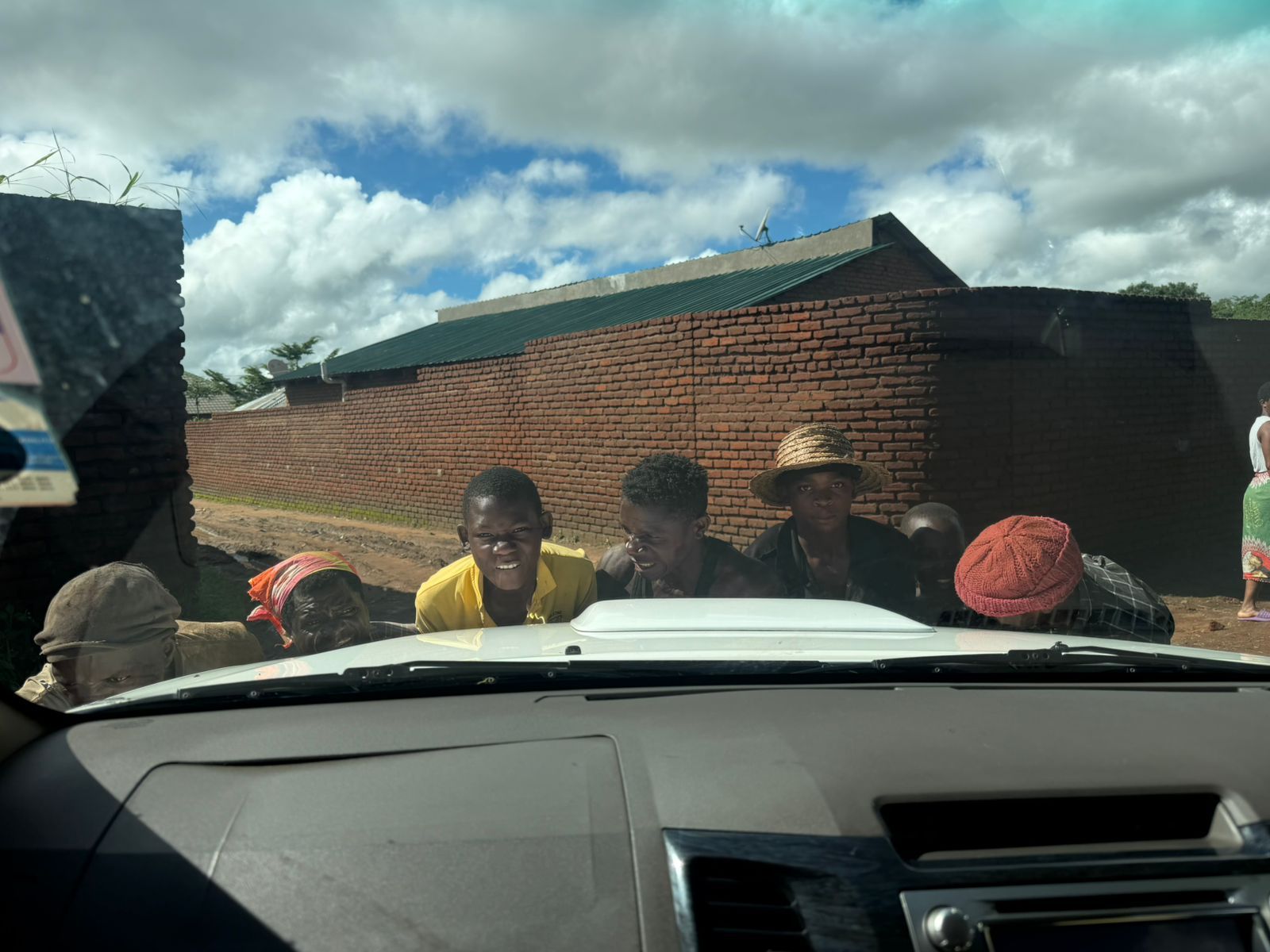
The need for this work has only grown more urgent. In March 2026, Cyclone Jude brought severe weather that cut off access to some communities and made travel extremely difficult, not only for patients, but even for our own clinicians trying to reach them. Roads became impassable, villages were isolated, and already fragile access to healthcare became even more uncertain.
And yet the need did not stop. On our latest outreach visit, our team attended to 168 patients in just one day. When it was time to wrap up, the queue was still long. Even after hours of consultations, treatment, and care, there were still more people waiting to be seen.
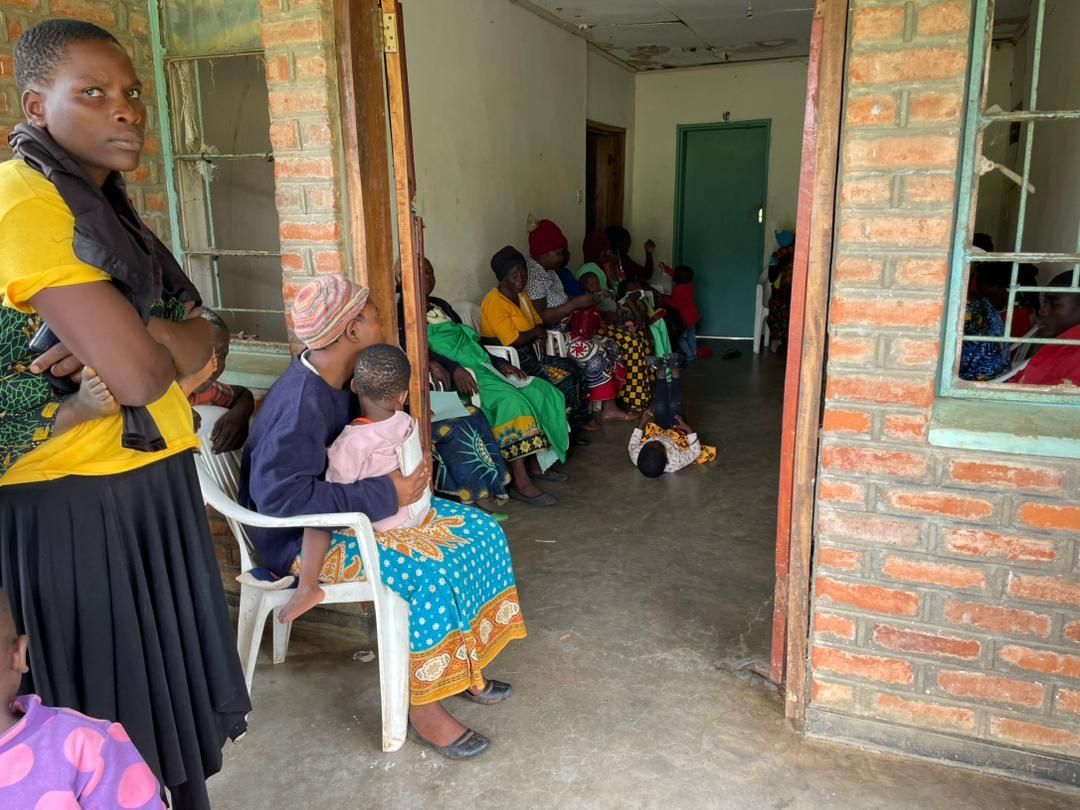
That is the scale of the challenge, but also the clearest possible reminder of why outreach matters. For many in these communities, this is not simply convenient care. It is their only realistic chance to receive medical attention.
Accessible healthcare is not a luxury. It is a basic need, and a basic right. Yet for millions across Malawi, it remains painfully out of reach.
That is the wider reality our outreach clinics are responding to.
Healthcare in Malawi: A System Under Pressure
Malawi has a population of 22 million, yet access to healthcare remains a major challenge. Only 36% of communities have a healthcare facility within walking distance, meaning many people must travel long distances to seek medical help. Just 72% of individuals reported using a clinic or hospital in the last year, and only 4% of Malawi's population have health insurance. For those in rural areas, these gaps are not statistics — they are daily realities that can make preventable, treatable illnesses life-threatening.
The Daily Struggle to Access Care
Most people in rural Malawi must walk for hours to reach care. When they arrive, facilities are often overcrowded, medicines frequently in short supply, and even the smallest costs — for transport or basic medication — can place an impossible burden on families already living in poverty. Children and pregnant women are especially vulnerable. Malaria and pneumonia claim young lives that could be saved, while complications in childbirth can be fatal when skilled care is hours away.
The Sparkle Foundation’s Healthcare Pillar
The Sparkle Foundation does not believe in operating in isolation. Our integrated approach is built on four pillars: Education, Health, Nutrition, and Community, each dependent on the others to succeed.
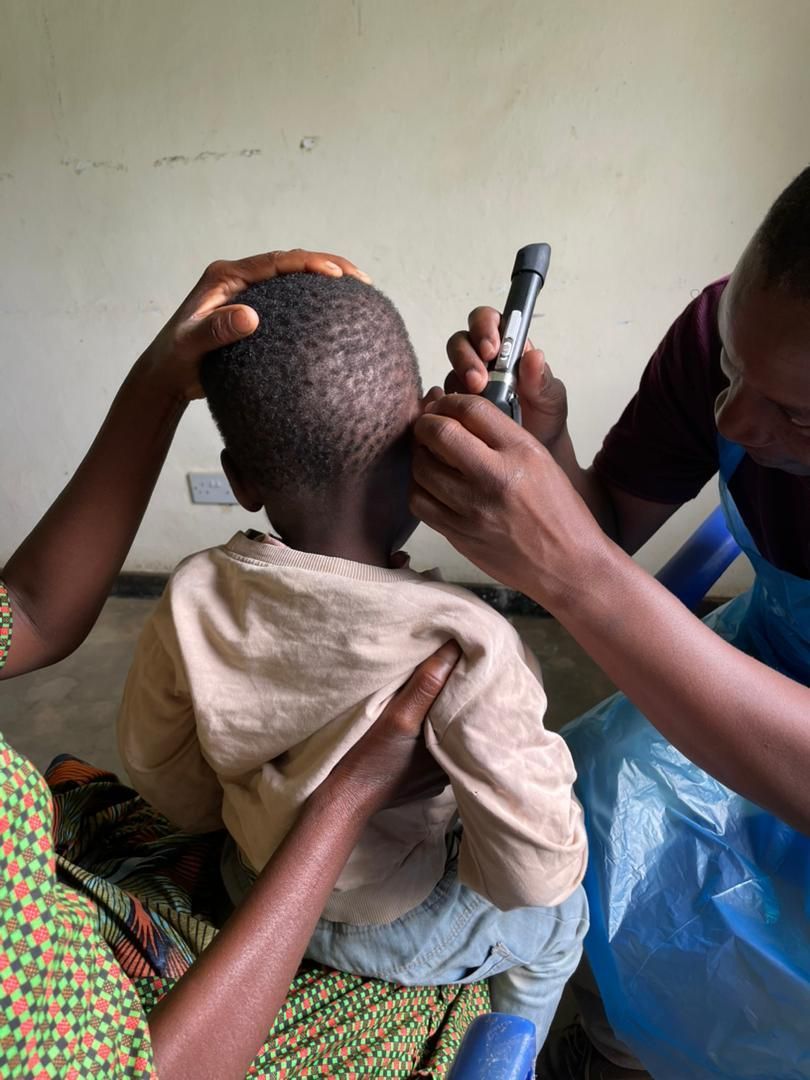
As part of our healthcare programme, we offer access to medication to the most vulnerable community members.
- Our outreach clinic provides 17 villages with access to healthcare and free medication,
- and our Sparkle ambulance ensures any emergency cases can be taken to the nearest hospital within the golden hour.
- We also vaccinate the community against Polio, Cholera and have facilitated campaigns for the treatment and prevention of ringworm and scabies at our quarterly outreach clinics.
A Healthier Future is Possible
Access to healthcare should be a basic right, not something determined by income or geography. In Malawi, too many lives are still at risk from illnesses that are entirely preventable or treatable. But the work of charities and organisations across the country proves that positive change is possible.
With continued support and awareness, Malawi can build a stronger, more sustainable healthcare system that protects its people and gives communities hope for a healthier future.