


From Seasonal to Sustainable: The Sparkle Greenhouse Secures Nutrition
A fully funded greenhouse is now operational at The Sparkle Foundation Farm, made possible by a generous grant from the Australian Government
A New Chapter for the Sparkle Foundation Farm
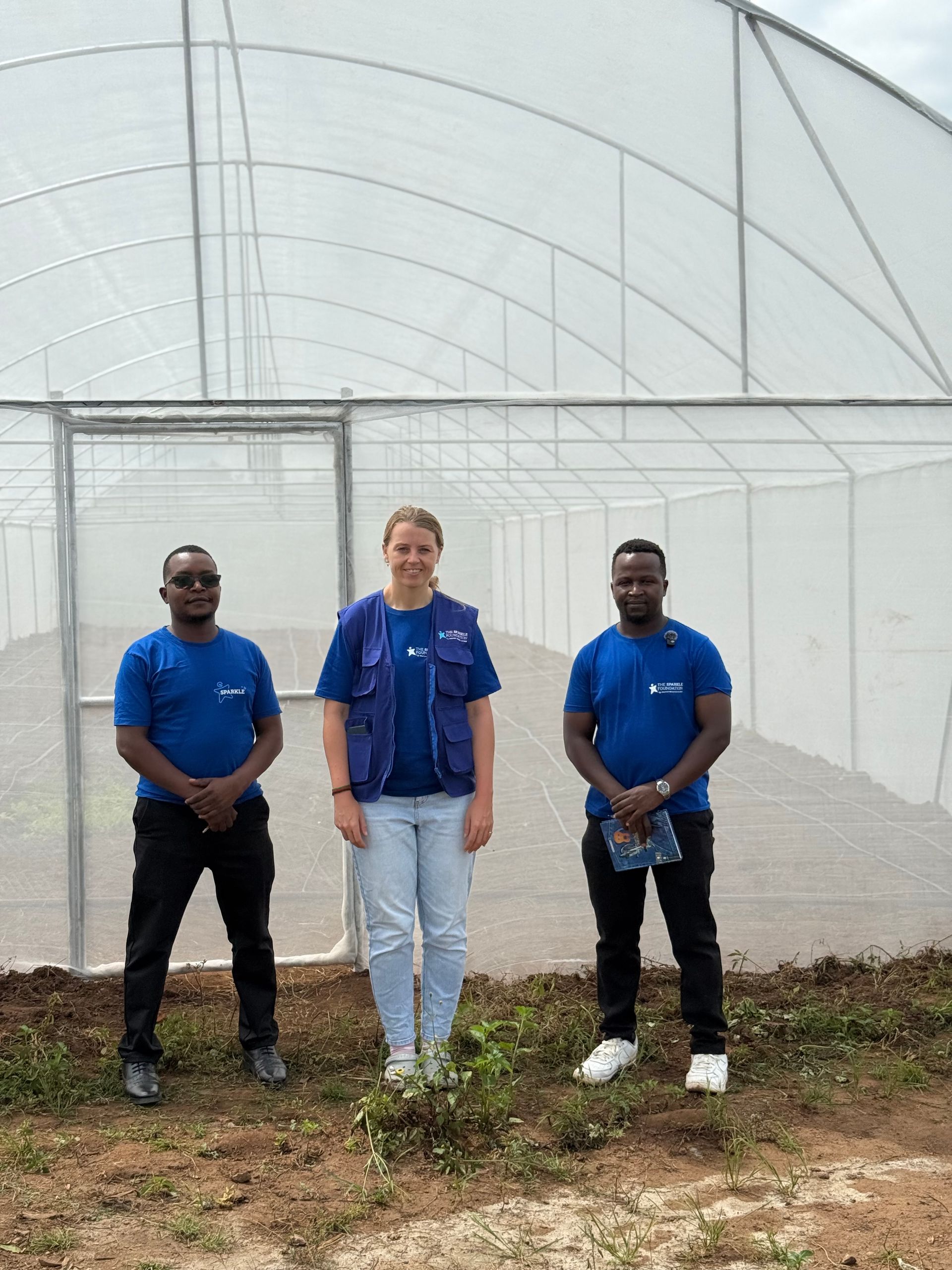
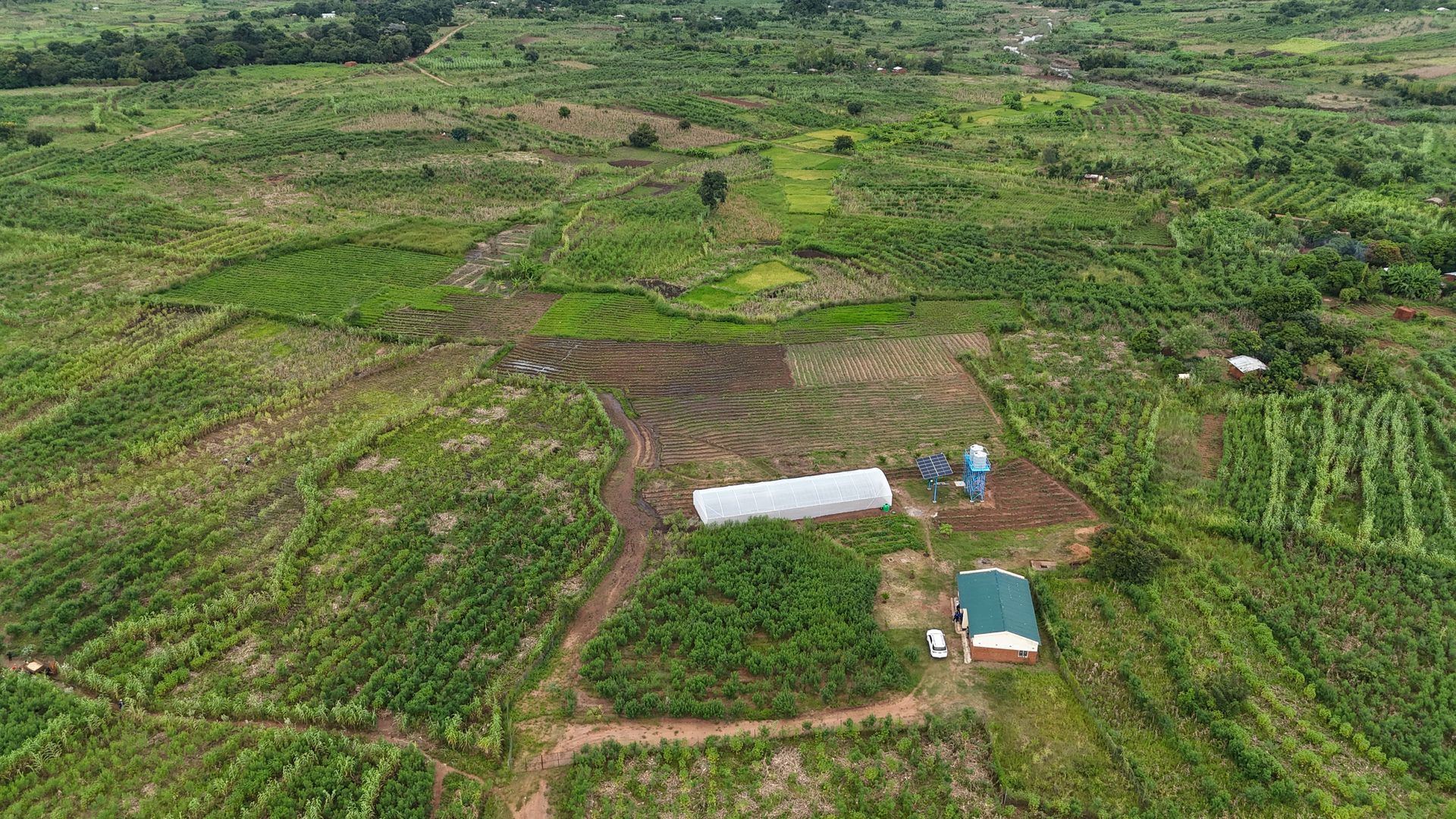
We’re proud to announce the completion of our new greenhouse in Sakata Farm! This purpose-built growing space marks a major step forward in our ability to feed children reliably and consistently throughout the year.
For years, the farm faced a familiar challenge: unpredictable weather, seasonal pests, and limited control over growing conditions made it hard to guarantee a steady supply of fresh food. The greenhouse changes that.
What the Greenhouse Looks Like
The completed structure is a well-organized, enclosed growing space designed with efficiency in mind. It features organized planting beds, proper ventilation systems, and an irrigation setup that allows the team to maintain optimal growing conditions regardless of what is happening outside.
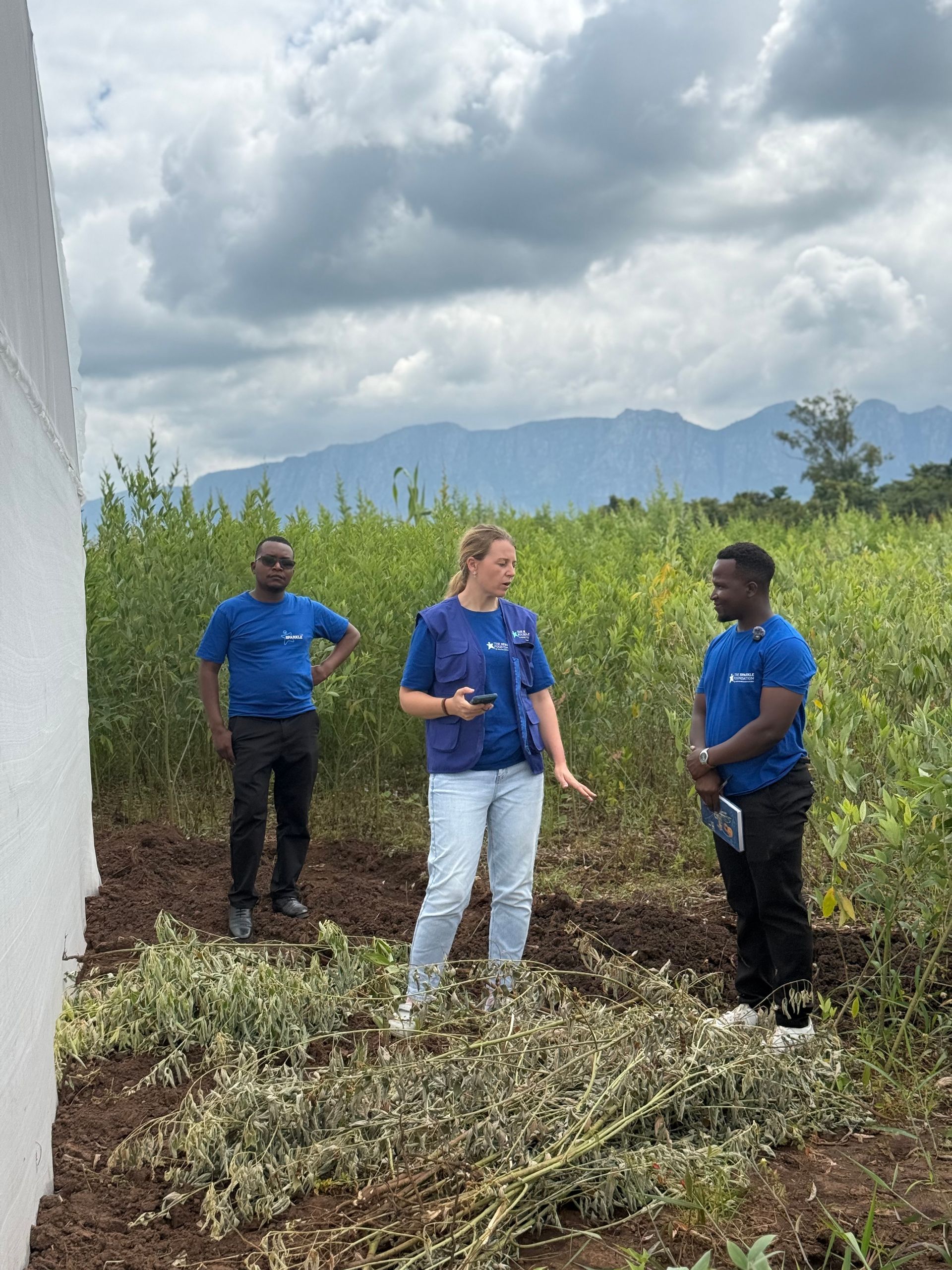
For Lusekelo Banda, Social Enterprise and Farm Coordinator at The Sparkle Foundation, seeing the finished greenhouse was a powerful moment:
This greenhouse would not exist without the financial support of the Australian Government. Their grant provided the resources needed to plan, build, and equip the structure — an investment that goes far beyond construction.
Receiving this grant was a significant milestone for The Sparkle Foundation. It reflects the trust that the Australian Government has placed in our work and our mission to create a brighter future for children.
External support like this is vital for long-term projects. It enables lasting investments that allow the foundation to grow beyond immediate limitations and build truly sustainable solutions. We thank the Australian Government for believing in what we are building here.
How the Greenhouse Will Be Used
Growing better food, more reliably
The first growing cycles will focus on high-value and fast-growing crops. The team will monitor performance closely and refine practices as they go. Over time, our goal for the greenhouse is to produce consistent yields year-round, reducing food losses and ensuring children always have access to fresh, nutrient-rich produce.
Learning opportunities for children
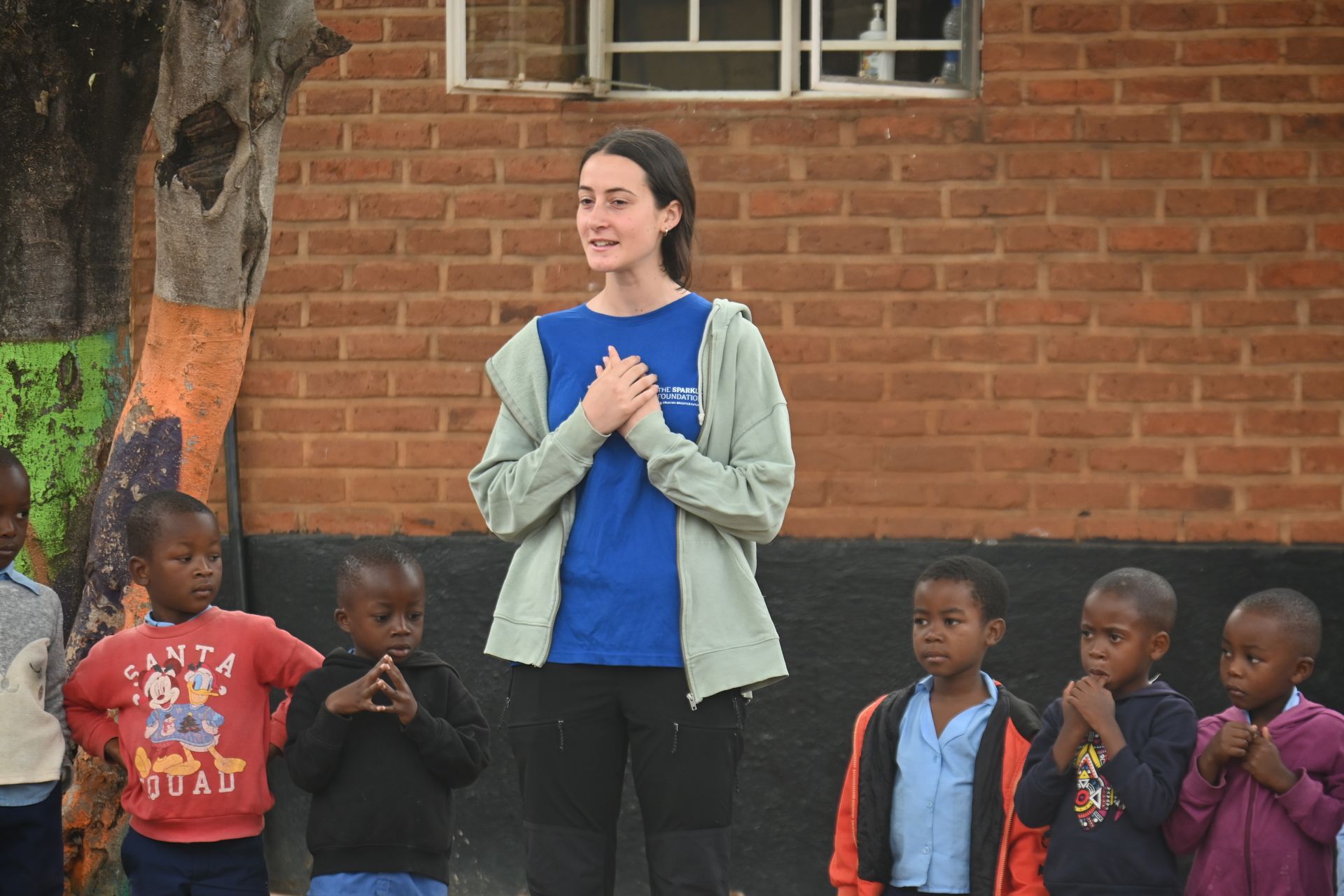
There are also plans to involve children directly. Children supported by The Sparkle Foundation will take part in hands-on activities such as basic gardening and food production. These experiences connect them with where their food comes from, as part of our holistic approach to learning and development.
Impact Beyond the Farm
The greenhouse is not just about feeding children today. It is about building something the endures. By reducing reliance on external food sources, The Sparkle Foundation is strengthening its long-term self-sustainability.
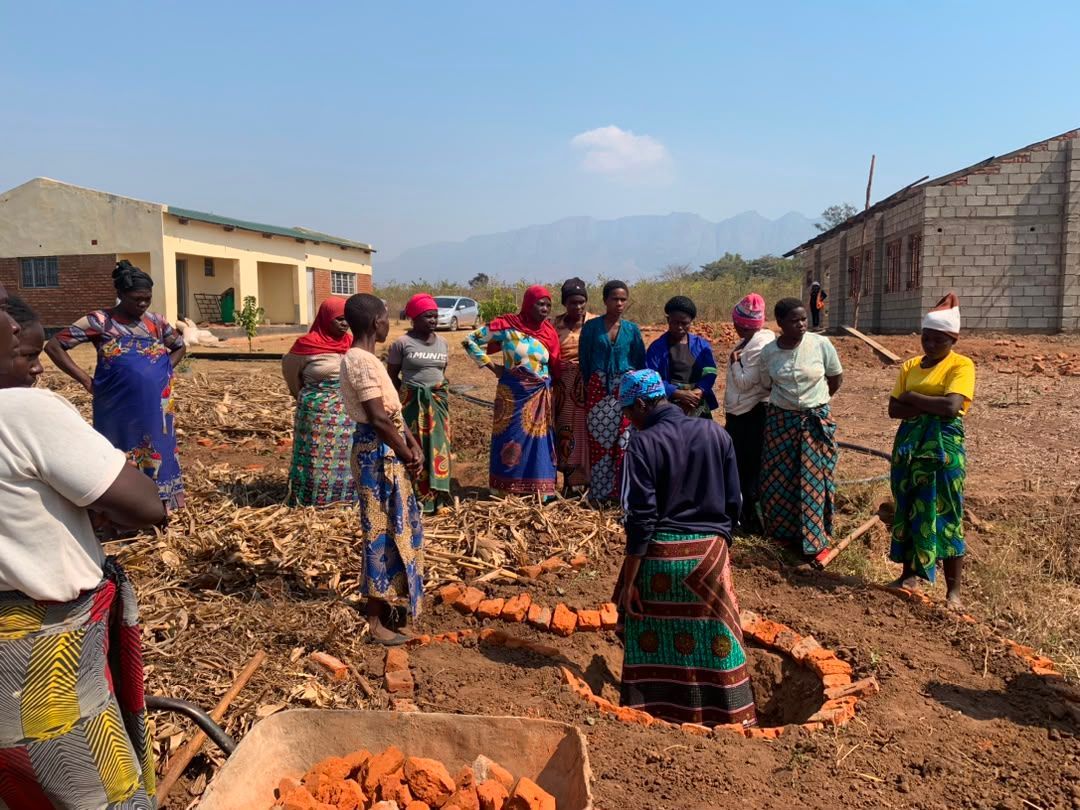
Beyond its immediate impact on our feeding programme, the greenhouse will create lasting change through hands-on training in regenerative farming. In Sakata, many families are smallholder farmers who rely on their land but often lack the knowledge and tools to farm effectively, especially in the face of climate change.
Through this greenhouse, we will be able to equip community members, particularly women, with practical skills in sustainable agriculture, helping them improve yields, diversify crops, and build more resilient livelihoods for the future. We hope this project will inspire others to adopt innovative farming methods and promote food security across the region.
What Comes Next
With construction complete, the farm team is now focused on preparing the soil, setting up planting systems, and sourcing seedlings. The first planting cycle is the next milestone, and the team is ready!
Stay connected with The Sparkle Foundation as we share updates from the greenhouse, from first seeds to first harvests.