
Learning Poverty: The Silent Crisis in Sub-Saharan Africa

Malawi is currently experiencing a learning crisis. Across Sub-Saharan Africa, learning poverty—defined as the share of children unable to read and understand a simple, age-appropriate text by age 10—is estimated at 89%.This means that many Malawian children, despite attending school, struggle to gain the basic reading skills needed to progress academically. This is heartbreaking since this lack of education opportunities acts as a barrier to the potential of the future children growing up in Malawi.


How Does Education Influence Child Development?


For children, education helps shape plays a critical role in shaping their identity and how they see the world around them. In school, children do not only learn to read and write, but they also learn that their voices and ideas truly matter in this world, and that education is the bridge between their dreams and reality.


Teachers play a significant role in children’s pursuit of learning. Childhood is an especially crucial time for a child; teachers can influence and steer the future generation in the right direction by emphasizing the importance of curiosity. Research across African education systems shows that strong teaching quality is closely linked to improved foundational learning outcomes. Teachers not only transmit knowledge, but are also central to shaping learners’ motivation, confidencem and aspiration, leaving a long-lasting impact on society.


Beyond the Classroom


Education outside of classroom walls is also necessary for the development of confidence in children. Direct benefits include increased self-esteem, emotional and social development, and organisational skills. Exposure to real-world situations is important because it supports the growth of soft skills well as problem solving skills and critical thinking.


Malawi Implements Free Public Secondary Education


In January 2026, Malawi introduced universal free secondary education, a policy that has the potential to expand access to schooling and offer a new opportunity at addressing the country’s devastating levels of learning poverty. 


This movement emphasizes Malawi’s commitment to expanding educational opportunities. However, directly tackling and reducing learning poverty is an enormous challenge that will demand many years and strategic educational improvements. Nevertheless, this is a clear and effective step forward for Malawi.


In conclusion, education is not only a pathway for children to reveal their inner passions and motivations but also serves as a foundation for a confident and purposeful life. With quality education, Malawi students can achieve impressive results in any field, as education empowers their curiosity and drives them towards progress and innovation.
By Talhia Le Berre March 9, 2026
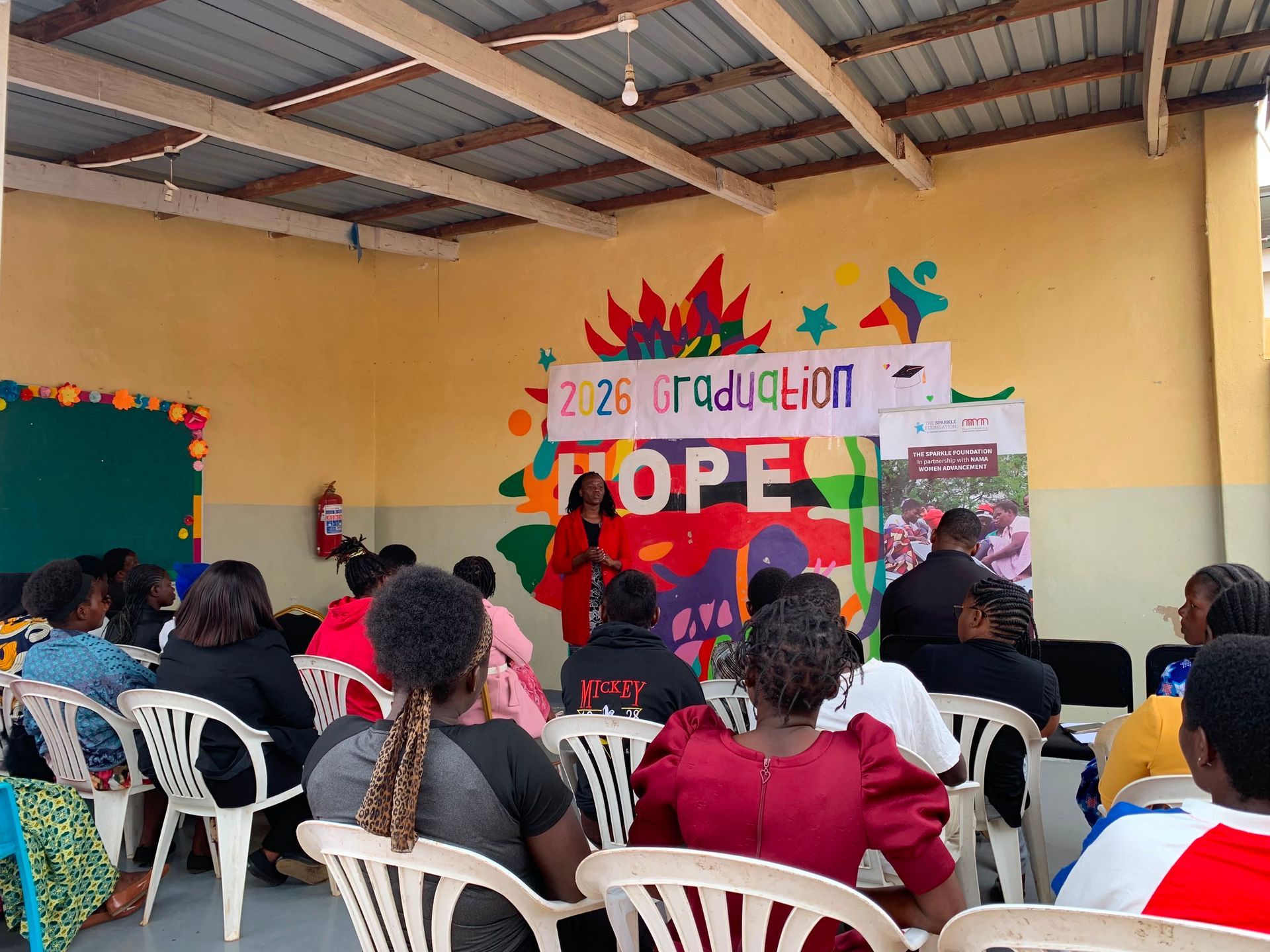
In Malawi, the journey to economic independence is often hindered long before adulthood begins. Only 16% of children start secondary school , and of these, just a quarter graduate . For girls and rural communities, these numbers drop even further. Families struggle to pay school fees, students walk long distances to reach classrooms, and overcrowded schools stretch limited resources. These challenges do more than affect educational outcomes — they reinforce cycles of poverty that limit opportunities for women and youth for generations. Many face restricted access to employable skills, financial literacy, mentorship, and capital , while societal norms too often undermine their confidence and voice. At The Sparkle Foundation, we believe that when women and guardians thrive, children flourish. That’s why we are proud to announce a powerful new collaboration driving sustainable change. A Partnership with Purpose: NAMA Women Advancement x The Sparkle Foundation We're honoured to partner with NAMA Women Advancement, a UAE-based organisation committed to elevating women’s economic participation and building inclusive, resilient communities worldwide. Together, we have launched Spark to Success , a two-year initiative that will uplift 200 underserved women, youth, and their families in Zomba, Malawi by equipping them with practical skills, financial tools, and pathways to economic independence. This project focuses on the mothers and guardians of children enrolled in our Early Childhood Development programme, the pillars of their households and communities. When they have access to dignified, sustainable livelihoods, entire families are strengthened. About the Spark to Success Initiative Spark to Success tackles systemic barriers head-on by delivering a diverse range of vocational and business-building skills, including: Tailoring Information Technology Weaving Solar panel installation Sustainable farming Financial literacy Business mentorship Career counselling By the end of the programme: 100 participants will launch their own small enterprises through seed funding 100 will be supported to pursue meaningful employment opportunities The ripple effect is enormous, reaching approximately 1,200 people as families gain access to better nutrition, financial stability, and improved educational pathways for their children. Early Impact: Skills Delivered, Confidence Built Though the programme is still in its early stages, the transformation has already begun. 28 women across two villages have completed Solar Panel Installation Training Over 50 participants have received Financial Literacy and Business Development coaching Not only are these women gaining technical expertise, but they are also building confidence, financial autonomy, and the power to lead change within their communities. This is what sustainable transformation looks like. Gratitude to NAMA Women Advancement We extend our heartfelt thanks to NAMA Women Advancement for their trust, commitment, and belief in our mission. Your partnership is more than a collaboration. It is a catalyst for generational change. Together, we are demonstrating a powerful truth : When you empower a woman, you strengthen a family. When families are stable, children thrive. And when children thrive, communities transform. This is not short-term aid. This is long-term, lasting impact.
By Madalitso Gamphani September 26, 2025
Imagine being a young child, sitting in class with an empty stomach. The teacher is speaking, but the words drift past without meaning. Your mind is on the hunger gnawing at you, not on the lesson. When break time comes, instead of running to play with your friends, you sit quietly, too tired to join in. Hunger steals more than just food. It takes away concentration, joy, and the chance to thrive. Now, imagine the same child after receiving a simple, nutritious school meal. Suddenly, the story changes. With a full stomach, their mind sharpens. They can focus on the teacher’s voice, write neatly in their exercise book, and raise their hand with confidence. At break time, they laugh, run, and play with friends. That meal does more than fill an empty belly. It fuels learning, energy, and growth. At The Sparkle Foundation, we see this transformation every day. We provide nutritious meals to about 240 children daily. Our preschool children receive both breakfast and lunch, giving them the energy they need to start the day well and the strength to keep learning and playing throughout the day. For our primary school children, we provide lunch before they begin their afternoon lessons, ensuring they can sit in class with full stomachs and clear minds. 
By chimwemwe gawa August 7, 2025
In Malawi, the heartbeat of the nation is undeniably young. With over 70% of the population under the age of 30, and nearly half under 18, we’re one of the youngest countries in the world. That’s both an incredible opportunity and a serious challenge. Without the right support, this “youth bulge” could become a burden. But with the right investment, it could drive Malawi forward in ways we can only begin to imagine. Behind the Numbers On paper, this youthful population sounds like an economic dream. But the reality? Many young people in Malawi are struggling. Youth unemployment is high, with estimates suggesting that over a quarter of those aged 15 to 24 are out of work. Even more are trapped in the informal sector, with few prospects for advancement or stability. These statistics aren’t just numbers. They’re young lives full of potential that’s going unnoticed, untapped, and unfulfilled. That’s a loss not just for them, but for all of us.