


What a Child Really Gains from Early Childhood Education
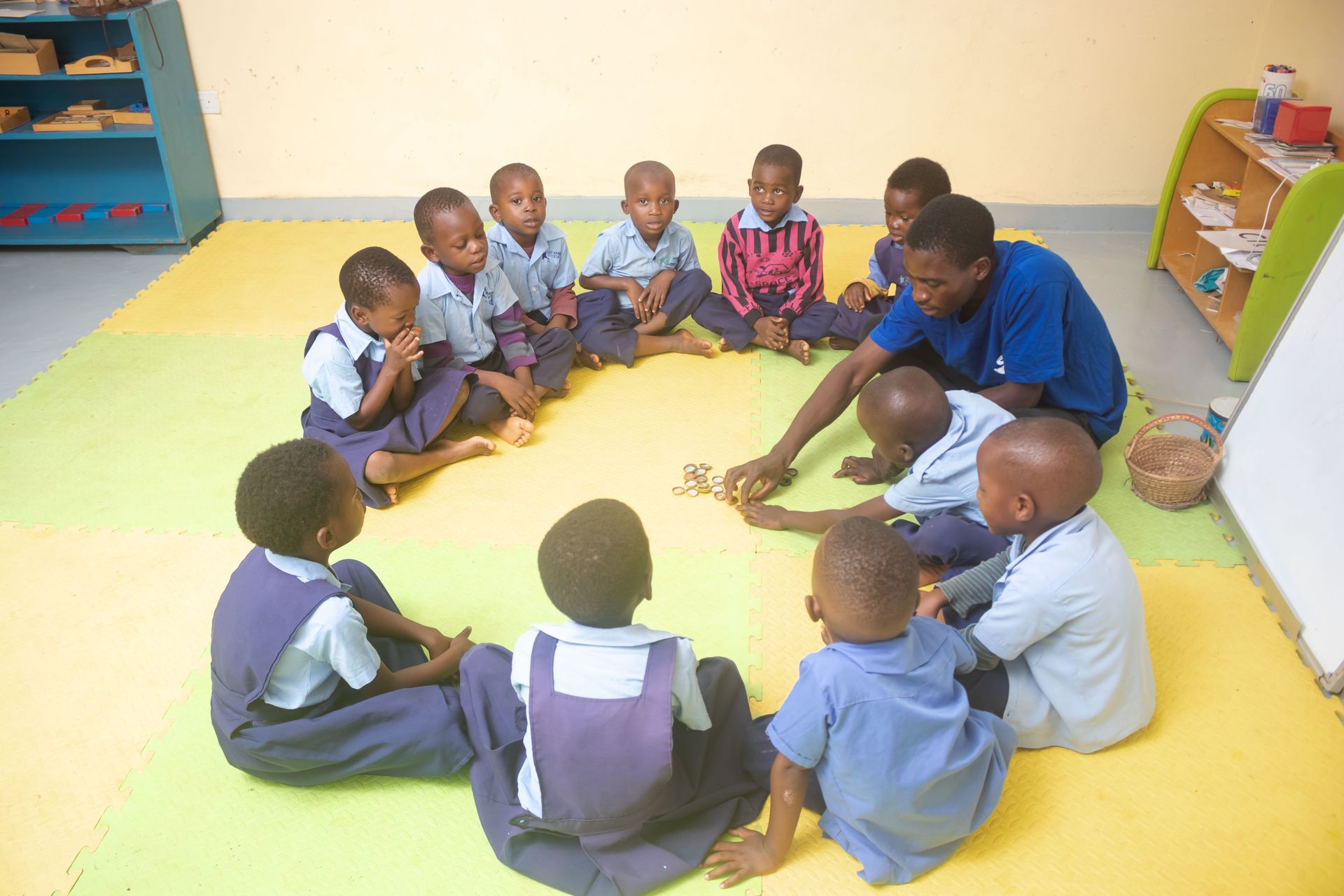
The early years of a child’s life are incredibly important. It’s during this time that their brain is growing quickly, and they’re beginning to understand how the world works. That’s why early childhood education, or ECD, is so valuable. It’s not just about learning numbers and letters – it’s about building the foundation for everything that comes after.
At Sparkle ECD Centre, we see the difference every single day. We see how children grow in confidence, how they start to think for themselves, and how they develop the skills they need to succeed later in life. But we also know what happens when children miss out – and what that means not only for them, but for the country as a whole.
They learn how to live with others
One of the most important things children gain in ECD is social development. It’s the first time many of them are around other children for long periods, and they begin to learn how to share, take turns and communicate their feelings. These early social skills help them later on – in school, in work, and in everyday life.
When children don’t have access to early education, they often struggle with these things. They might find it hard to settle into primary school, make friends, or follow simple rules and routines.
They develop strong thinking and communication skills
ECD gives children the chance to explore and ask questions. Whether it’s through puzzles, storytelling or imaginative play, they’re constantly learning how to solve problems, remember details and express their thoughts. These early learning experiences are essential for developing language, creativity and curiosity.
If a child misses out on this stage, they may arrive at school already behind. They might struggle with reading, writing or understanding instructions – and it can be very difficult to catch up.
They start to believe in themselves
At Sparkle, we love seeing children take part in career days where they dress up as doctors, builders, teachers or whatever they dream of being. These activities might seem simple, but they give children something powerful – the belief that they can do and be something great.
Children who go through ECD are more likely to stay in school, finish their education, and go on to lead fulfilling lives. They become more confident, more curious and more resilient. Without that early encouragement, many children never get the chance to dream big.
They get a fairer start in life
Unfortunately, not every child in Malawi has access to quality early education. Many miss out on a safe space to play, learn and be looked after. They don’t get the early support that could help them grow – emotionally, socially and academically.
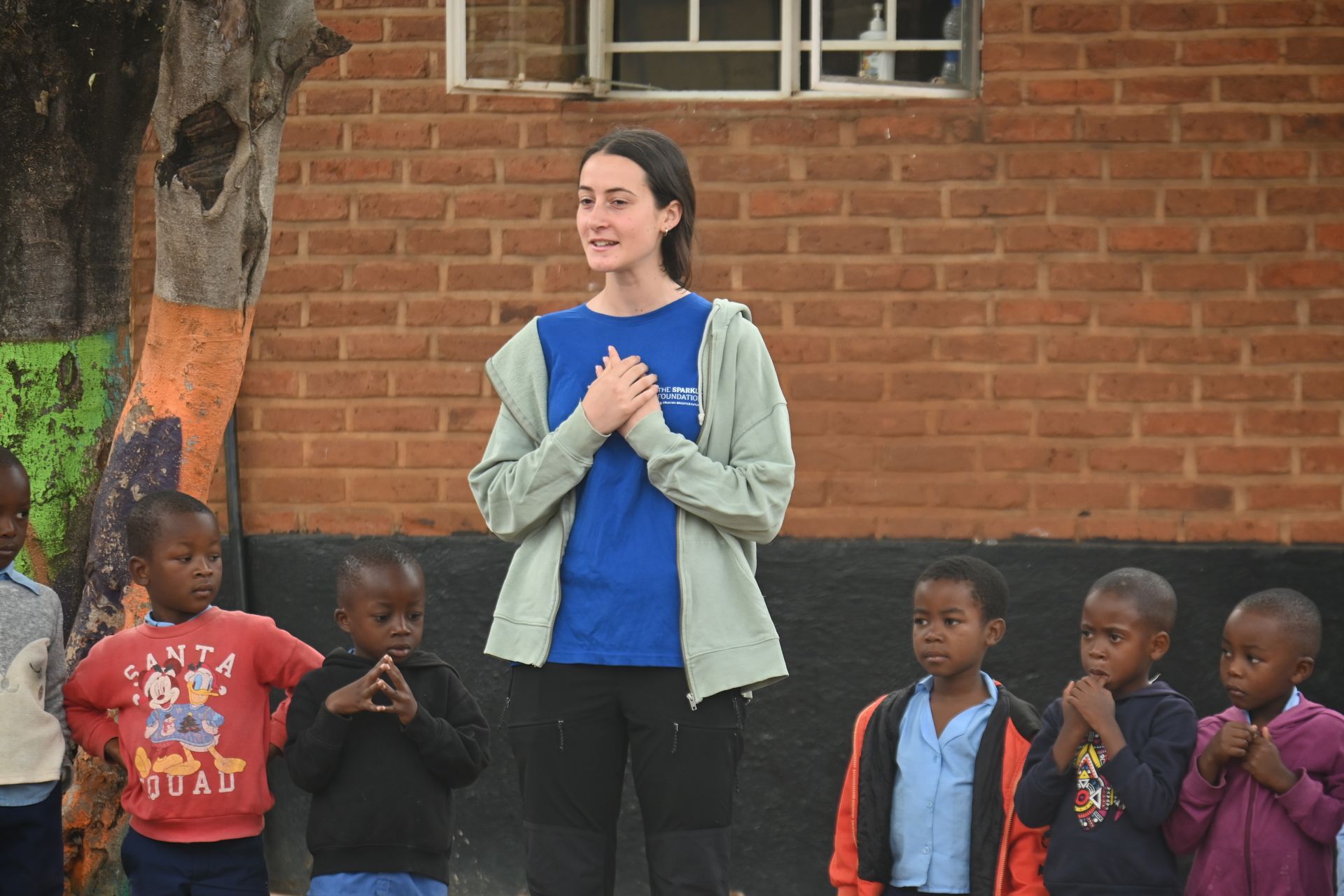
At Sparkle, we work with children from 17 villages around Zomba, offering them a chance to start strong. We believe that early education shouldn’t be a privilege, it should be a right.
Why this matters for the country
When a child gets a strong start, they carry that confidence and knowledge with them. They’re more likely to do well at school, get decent jobs, and support their families. They become active, engaged members of society.
But if large numbers of children are left behind at the very beginning, the whole country feels it. It affects education levels, employment, and the economy. It widens the gap between those who have access and those who don’t.
Investing in early childhood education isn’t just about helping one child – it’s about building a stronger, fairer Malawi.
Final thoughts
Early childhood education gives children the building blocks for life. It helps them grow into kind, confident and capable people. Without it, they miss out on crucial experiences – and that missed potential affects all of us.
Let’s make sure every child has the chance to start well. Let’s invest in the early years – for their future, and for the future of our nation.